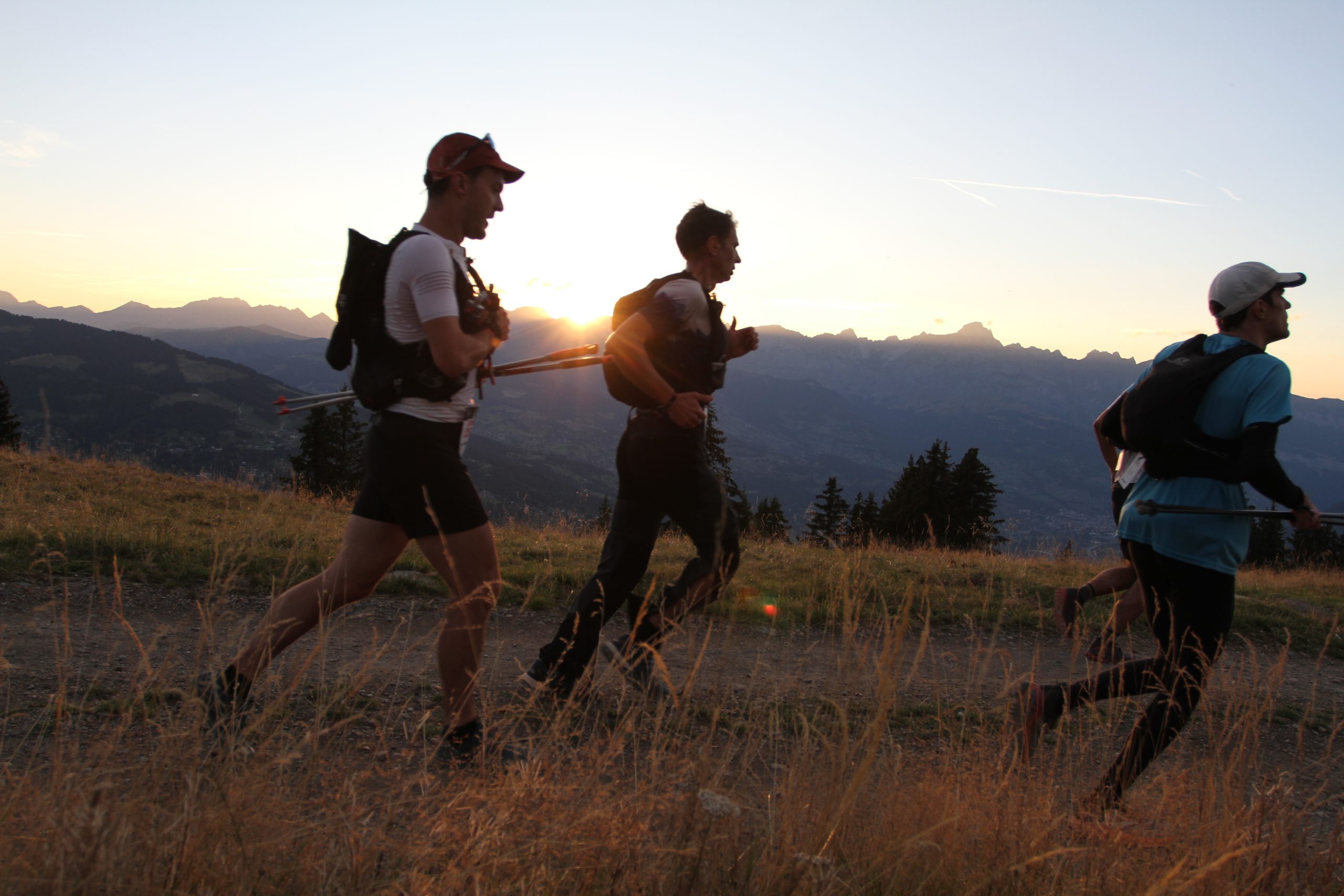


“It’s a circus,” murmured a Chamonix local as crowds of runners surged through town. The morning air sat heavy, veiling the bustle of footsteps with mist, but the familiar din of coffee cups and animated conversation punctured the tranquility. Once a modest gathering of endurance athletes, the Ultra-Trail du Mont-Blanc (UTMB) now envelops the valley in a weeklong festival—a spectacle both celebratory and, critics warn, burdensome on the landscape.
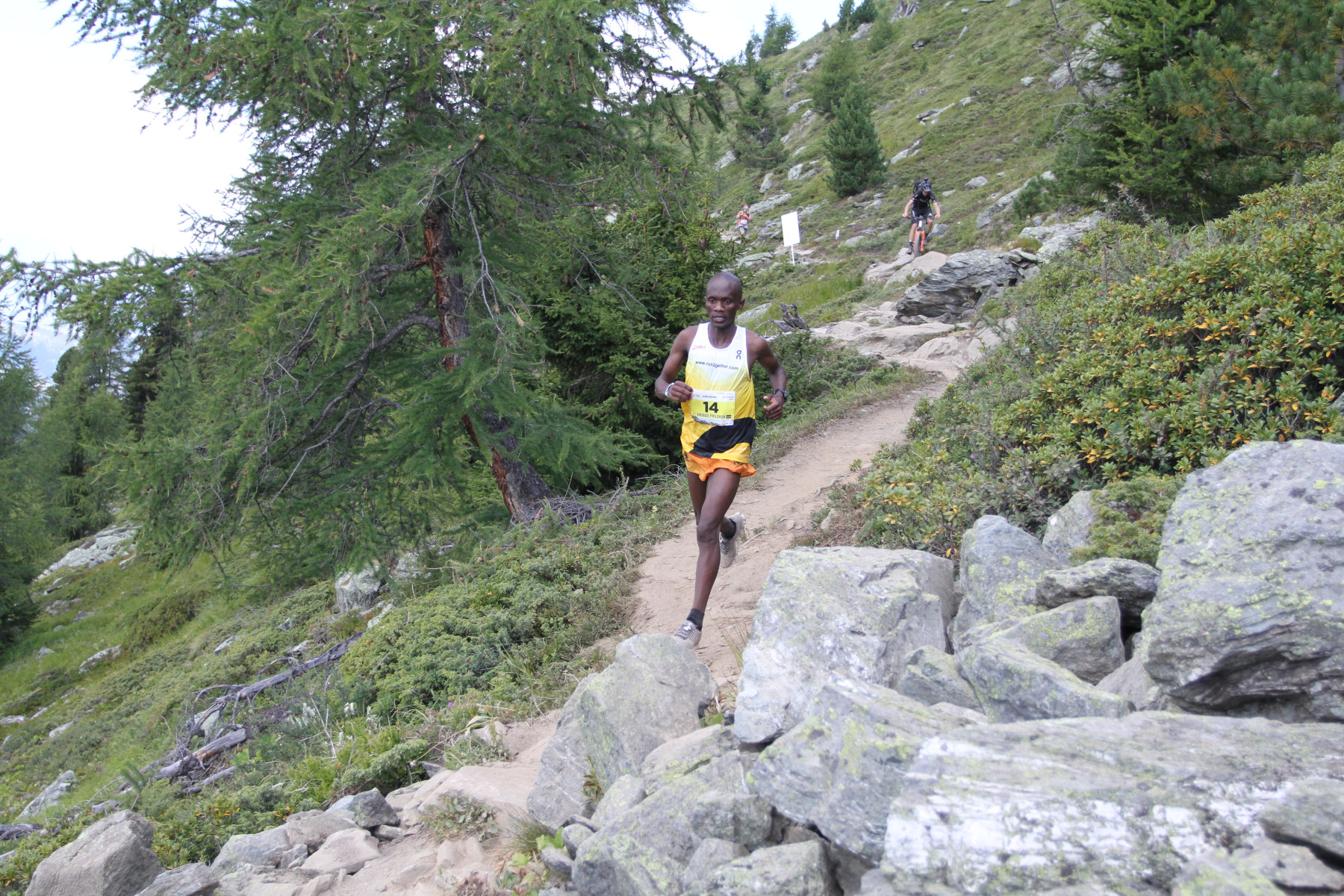
UTMB’s legacy traces the storied Tour du Mont Blanc, a route traversed for centuries by shepherds, traders, and hikers across France, Italy, and Switzerland. The race debuted in 2003, designed as an homage to these traditions, while challenging modern athletes to a loop of nearly 171 kilometers and upwards of 10,000 meters elevation gain. Inaugural editions saw several hundred participants treading gently along single-track paths, leaving minimal trace beyond chalk lines and common footprints.lemonde+2
Popularity brought transformation. By 2024, registration for UTMB and its sister races exceeded 7,200, and Chamonix welcomed more than 50,000 attendees spanning athletes, supporters, brand representatives, and media. Where summer typically meant mountaineering and quiet tourism, late August now sees tents, promotional booths, and satellite uplinks crowding the streets. The energy, unmistakable, also strained local infrastructure. Gridlocked roads and hotels at capacity became common, while the formerly narrow trails widened under sustained foot traffic and the enthusiasm of spectators. For a brief period, Chamonix becomes a grand arena—while the ever-watchful mountains remain unchanged, awaiting the passage of thousands.trailrunningspain+1
François D’Haene, a four-time champion at UTMB, frequently speaks to these dilemmas. “The mountains are not just a backdrop. They demand respect. Every time we run, we carry that responsibility. But with so many people, it is easy to forget,” he remarked ahead of the 2025 race. His sentiment echoes persistent debate within the trail-running community: the UTMB heralds human endurance, but its footprint challenges logistical and ecological limits extending far beyond the race finish.trails-endurance+1
Environmental impact is tangible. Each year, increased traffic leads to accelerated trail erosion, vegetation loss, and rising waste management demands. The UTMB’s Mobility Plan, introduced for the 2025 edition, prioritizes shuttles, carpooling, reserved transport zones, and the discouragement of private car journeys. Despite these measures, organizers acknowledge that 88% of event emissions are linked to participant and spectator travel. Alpine meadows, lichen patches, and soil beds absorb the consequences—a point of concern for a community keen to preserve both economic prosperity and environmental integrity.seechamonix+3
“The UTMB is a celebration of endurance, but the trails are finite. Every year, we learn that enthusiasm has a cost.”
— François D’Haene
Trail running’s ascendance as a global sport is entwined with UTMB’s growth. Once a local pursuit, ultra-running now attracts international attention, substantial sponsorship, and expansive media coverage. Major gear and beverage brands saturate the valley’s visual landscape, vying for prominence across summit photos and finish line broadcasts. Yet beneath this commercial spectacle, the original ethos—personal connection to the massif—continues to draw those who recall the solitude of early years.
Chamonix’s cafes and bakeries have become informal vantage points. From inside, the overflow of vehicles, the arrival and departure of support crews, and the homemade cheer banners carried by children are plain to see. Locals note the mixture of exhilaration and fatigue. Even with the economic windfalls promoted by event organizers, some businesses thrive with full bookings, while others struggle with logistics and workforce strain. Away from the crowds, alpine flora and fragile soils endure intense periods of pressure, compressing centuries of slow change into mere hours.
Environmental stewardship has attracted global advocates. Brody Leven, noted for both mountaineering and environmental activism, highlighted at a 2025 panel discussion that, “Global carbon emissions must be cut by at least 55 percent by 2030 versus 2019 levels. Our planet’s tests are in—and urgent change is nonnegotiable”. While UTMB’s waste reduction and transport innovations are acknowledged, Leven and other campaigners insist that sustained reform must become systemic. The mountains, they assert, will not negotiate limits; they are indifferent to branding and finish times.run.outsideonline+1
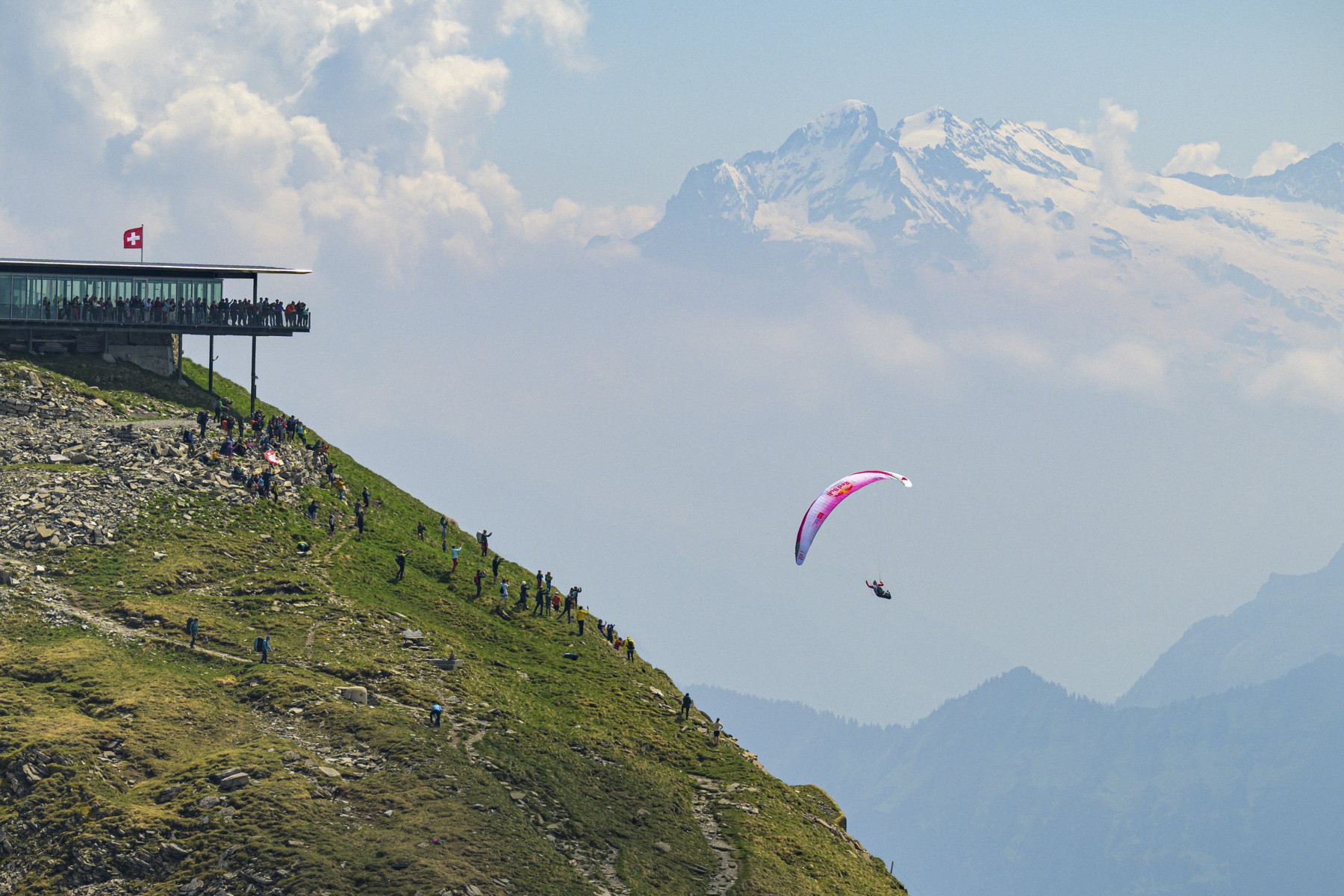
Spectator scale adds further complexity. Unlike small trail races with regulated vantage points, the UTMB’s thousands-strong audience lines mountain ridges and paths, sometimes straying off-trail for better views. This cumulative effect widens trails and compacts soil, putting delicate flora at risk. The transformation from intimate footpaths to public corridors challenges both environmental management and the athletes’ sense of solitude.
[Placeholder Image: Spectators perched atop a high ridge, tracking runners on narrow trails]
Elite runners balance competition with conscience. François D’Haene maintains that setting records should not eclipse stewardship of the mountain environment. Carline D’Haene, co-organizer of the Ultra Spirit series, articulates the dilemma: “We want an event that feels right for our region. We want participants to meet and have meaningful conversations—at a human scale.” Even well-intentioned events, she notes, must continually address the tension between celebration and ecological preservation.
UTMB’s evolution parallels the shift in trail running’s character. Ultrarunning, formerly niche and locally driven, has become professionalized, with structured rankings, purses, and media contracts. Global sponsors dictate race calendars and introduce the latest technical apparel. This increased visibility enables innovation in gear and safety—but simultaneously amplifies environmental concerns. As distances expand, so do both the opportunities and challenges associated with tourism and resource management.lequipe
Chamonix’s commercial landscape echoes these tensions, with brand tents dotting valley floors and pop-up activations crowding the streets. Hotels manage temporary shuttle routes, restaurants add seasonal terraces, and authorities recalibrate safety and preservation plans for a scale never anticipated. For residents and business owners, the event signals both reward and disruption—the promise of economic growth weighed against the realities of overcrowding and logistical stress.
The altered culture of trail running is evident. The shift toward performance measurement, qualification standards, and digital leaderboards, as seen at UTMB, transforms endurance from a personal journey into a public show. Nevertheless, some members of the community advocate for restraint and reemphasize the value of stewardship. Both the spectacle and the humility of the sport coexist, shaping its ongoing identity.
Beyond Chamonix, UTMB’s influence spurs smaller races worldwide, each seeking balance between ambition and sustainability. Events often cap participation and enforce strict eco-policies such as limited trail access and minimized waste production. The model established by UTMB serves as inspiration and caution—demonstrating both the reach of ultrarunning and the risks of overexposure.
“We want to celebrate human endurance, but we must also celebrate the landscapes that allow it. Without the mountains, there is no sport.”
— Carline D’Haene
UTMB reflects evolving attitudes toward adventure, achievement, and sustainable tourism. Spectators traverse alpine trails alongside runners, inadvertently affecting erosion, compaction, and local habitats. Participant commitment—each footfall, each discarded gel wrapper—cumulatively shapes the environment well beyond race week.
The ethical paradox embedded in UTMB is clear: it stands as both a celebration of physical and communal achievement and an environmental stressor on a region famous for its fragility. The annual dialogue among organizers, athletes, residents, and advocates reflects an adaptive tension. Each year brings new policies and ongoing reflection.
Above the valley, glaciers sparkle in sunlight, unmoved by the intensity below. From this vantage, the magnitude of UTMB appears as a colorful procession, weaving along routes shaped by centuries of human movement. Guides who once led solitary groups now navigate through crowds; their role now includes both facilitation and guardianship of the terrain.
Understanding UTMB’s history requires attention to the ancient Tour du Mont Blanc, once used for seasonal migration and commerce. Today, the race overlays contemporary ambition on these paths, transforming both their purpose and atmosphere. Reflection, endurance, and community now share space with drones capturing sweeping footage and crowds brimming with excitement.
Local reactions remain nuanced. While some residents welcome the global spotlight, others confront increased traffic, pressure on accommodation, and shifts in daily rhythm. Economic gains are variable; the influx favors main-street venues, but many smaller businesses face new operational challenges. The town’s traditions—the tranquil mornings, cadence of mountain life—pause for a week beneath the fanfare.
For runners, stakes are not merely physical. The responsibility to preserve terrain is felt keenly, extending from route selection to deliberate minimization of litter. François D’Haene describes UTMB as a dance: striving for personal limits while remaining attuned to the mountain’s needs. The race’s prominence amplifies individual impact, pressing participants to align accomplishment with conscientiousness.u-trail+1
The trail-running community increasingly grapples with the dilemma of growth versus sustainability. Numerous new events now cap entrants and adopt strict ecological guidelines. These strongly curated races serve both as counterpoints and evolutions—demonstrating that endurance sport must claim both speed and humility, both celebration and restraint.
“We need to remember that the trails existed long before us. Running on them is a privilege, not just a challenge.”
— François D’Haene
UTMB’s social dimension, apparent in the collective energy of families, friends, and support teams, transforms private endurance endeavors into shared, public experiences. Yet every act of support—from a banner waved to a cup passed along a ridge—reshapes the landscape in subtle but persistent ways.
Media and sponsor presence carry their own implications. Photographs, live reports, and social streams project the event across continents, magnifying its allure—and the environmental pressure that follows. UTMB encapsulates the modern paradox: homage to human drive, but always negotiating the limits imposed by fragile terrain.
As runners approach Chamonix’s finish in the elongated glow of late summer, exhaustion and triumph intermingle. Communities rally, cameras seek iconic final-frame moments, and the massif remains—ancient and untouched above the fray. UTMB mirrors the complexities of ambition, spectacle, and responsible engagement with nature. The vital questions persist: how can endurance and achievement thrive while safeguarding landscapes for future generations? Footsteps impress the soil; voices carry through the hills; and, for one memorable week, Chamonix and Mont Blanc exist in balance—dynamic, beautiful, and perpetually wary.
Further reading
- https://www.lemonde.fr/en/sports/article/2023/09/02/the-utmb-celebrates-its-20th-anniversary-amid-environmental-controversy_6120383_9.html
- https://www.seechamonix.com/events/news/ultra-trail-du-mont-blanc-environmental-impact-partnership
- https://montblanc.utmb.world/races/UTMB
- https://trailrunningspain.com/2024/01/31/utmb-mont-blanc-2024-record-breaking-registrations/
- https://montblanc.utmb.world/news/utmb-mont-blanc-2023-chiffres-cles
- https://trails-endurance.com/francois-dhaene-de-retour-sur-lutmb-en-2025
- https://www2.u-trail.com/utmb-2025-francois-dhaene-na-plus-le-niveau-pour-gagner/
- https://www.lequipe.fr/Ultra-trail/Actualites/-la-communaute-du-trail-running-se-doit-d-agir-et-d-etre-exemplaire-l-utmb-oeuvre-pour-limiter-son-impact-environnemental/1587669
- https://montblanc.utmb.world/discover/transportation/utmb
- https://run.outsideonline.com/trail/utmb-environmental-travel-policy-explained/
- https://www.brodyleven.com/advocacy