

The Golden Age of Summer Skiing in the Alps (1970s–1980s)
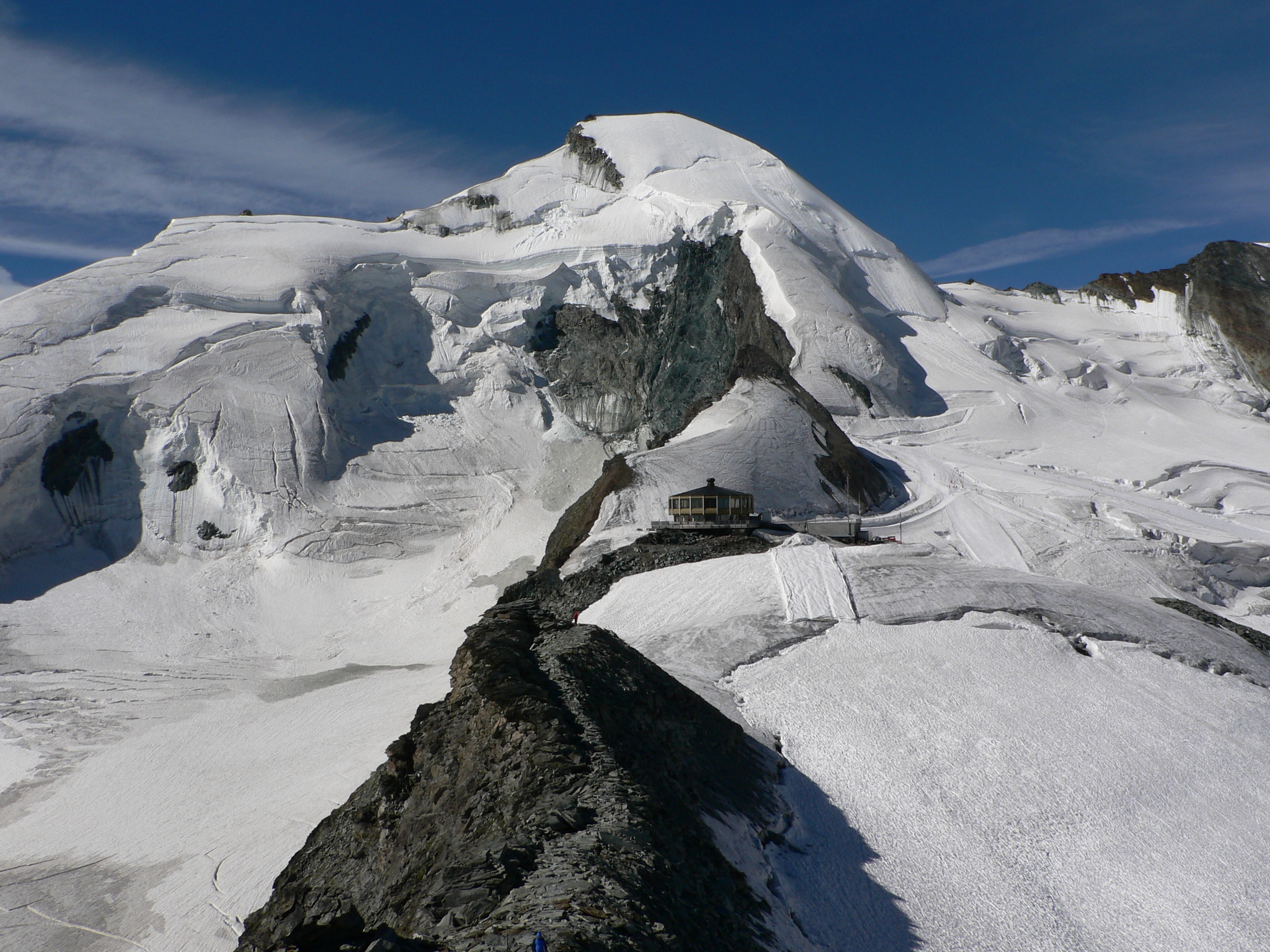
The mornings in Chamonix in July used to hold a particular magic. The air carried a scent of warm stone and wildflowers, but high above, the glaciers gleamed in the early sun, a cold and silent invitation. In those decades, the 1970s and 1980s, summer skiing in the Alps was not merely a novelty; it was a tradition that combined sport, adventure, and the sheer human desire to extend winter into summer months. Saas-Fee, perched high in the Valais, became a central stage. Its glacier, the Allalin, offered reliable snow even when the valleys below shimmered with heat. National teams gathered there each year, training on icy slopes, executing precise turns, and preparing for winter competitions while tourists hiked through the meadows. Zermatt, too, offered continuous access to snow through its Matterhorn Glacier Paradise, where lifts carried skiers onto ice fields that once seemed impervious to the warmth of July. Courmayeur, on the Italian side, held the Vallée Blanche—a ribbon of snow descending from the Aiguille du Midi—once a jewel of summer skiing, where guides led adventurers along well-trodden glacier routes.
These were days when summer skiing was still a common sight in the Alps. Reports from ski historians note that in the late 1970s, resorts like Les Deux Alpes and Tignes advertised extensive summer skiing calendars, capitalizing on the still-thick glaciers and persistent snowfields. Photographs from the era show skiers on lifts in t-shirts, their skis glinting under the mid-summer sun, juxtaposed against vast white expanses above. It was a rhythm that allowed the mountains to belong to skiers year-round. Saas-Fee’s summer operations were organized with precision: lifts ran from early morning, snow machines prepared pistes over crevassed ice, and ski instructors led courses for both locals and visiting athletes. Zermatt, likewise, functioned almost as a permanent winter environment, where the high-altitude lifts and groomed runs allowed extended practice for competitive skiing.
The culture of summer skiing in this period was distinct. Whereas winter crowds dominated the resorts and slopes, summer skiing demanded a different kind of engagement. It was quieter, less frantic, more deliberate. Skiers had to read the ice carefully, navigate crevasses that widened in the warmth, and anticipate softening snow as the sun rose. Safety was an ever-present concern: guides and instructors were vigilant, watching for melting snow bridges and shifting ice. Yet the risks were embraced as part of the adventure. Alpine clubs of the era maintained rigorous records and recommended routes, balancing thrill with caution.
The summer season was also economically important. Resorts profited from lift tickets, summer ski schools, and the flow of athletes who stayed for weeks at a time. Tourists who came to hike the high trails often looked on in awe at the sight of skiers descending glaciers under the midsummer sun. This era also saw technological developments in ski equipment tailored to summer conditions—edges sharpened for firmer snow, lighter boots for mixed glacier terrain, and early experiments in artificial snowmaking that allowed ski schools to maintain consistent surfaces over sensitive ice.
Even in the late 1980s, the persistence of summer skiing relied on the glaciers themselves, which were thicker and more extensive than today. Saas-Fee, Zermatt, and Courmayeur remained bastions of Alpine summer sport, places where young racers and adventure skiers alike could extend their season by months. The Vallée Blanche route from Courmayeur, for instance, remained accessible for guided parties, with rope teams navigating the glaciers in what was then considered routine. Observers from ski publications of the period described these summer expeditions with admiration, noting the unusual combination of summer warmth and winter snow that defined the Alps as a playground beyond seasons.
This period, however, was the apex of what could be considered “normal” summer skiing in the Alps. Even then, those familiar with the glaciers noted variability: some years, heat waves crept higher, affecting lower snowfields and making routes more hazardous. But the general pattern was stable enough to maintain summer ski programs across multiple resorts. These decades formed the memory of summer skiing as a structured, accessible, and enduring tradition—a memory that contemporary skiers now seek to recapture under far more precarious conditions.
The decline of summer skiing in the Alps, technical challenges, glacier retreat, and crevasse hazards
By the 1990s, the rhythms of summer skiing in the Alps began to shift. The glaciers that had once carried skiers reliably into July and August were thinning. Snowlines crept higher, and the previously predictable icefields became fractured mosaics of crevasses and seracs. Resorts that had flourished during the golden age were forced to adapt, often scrambling to maintain safety while preserving the summer experience. Saas-Fee, for instance, continued to operate on the Allalin glacier, but the calendar contracted. Lifts opened later in the morning and closed earlier in the afternoon to account for warming surfaces and the softening snow. Snow machines were pressed into service more frequently, not only to build beginner runs but to stabilize fragile crevasse bridges, a task that carried risk: heavy grooming equipment could collapse unstable snow, a danger that operators had to manage daily.
Zermatt’s high-altitude glacier areas faced similar challenges. The Matterhorn Glacier Paradise remained accessible, but crevasse patterns changed unpredictably. A lift-served run that had been routine one summer could be unsafe the next, requiring careful reconnaissance and constant monitoring. Guides and resort managers began marking danger zones with greater precision, but accidents still occurred. The combination of warming, retreating ice, and the inherent instability of summer snow made formerly simple routes technically complex and physically demanding. Tourists seeking casual summer runs had to contend with ropes, crampons, and the vigilance of trained guides. The summer ski experience became less about accessible recreation and more about calculated adventure.
Courmayeur’s Vallée Blanche, which had once epitomized summer skiing, started to vanish from guidebooks. Crevasses widened, snow bridges thinned, and the reliable descent became increasingly a matter for experienced mountaineers rather than general summer visitors. What had been a summer classic turned into a logistical challenge: to ski it safely required pre-dawn starts, careful route planning, and the constant assessment of the snow surface. Reports from ski forums and mountain guide logs indicate that by the early 2000s, the route was often closed or only accessible under highly specific conditions. The grandeur remained—the jagged peaks, the sweeping ice—but the margin for error shrank dramatically.
This retreat was not uniform, however. Saas-Fee maintained a reputation as a bastion of summer skiing, particularly for competitive teams. Even in the 2010s, the resort hosted national squads training through July. The lifts, glacier grooming, and snowmaking infrastructure allowed a controlled environment where athletes could log essential summer hours. Zermatt, too, continued limited summer operations, but the window had shortened and the terrain became riskier. The high-altitude glaciers demanded vigilance; snowmaking over crevassed ice was a delicate procedure, with operators aware that misjudged placement could break snow bridges. Photographs from recent seasons show technicians carefully working over fissures, emphasizing how the machinery of summer skiing now contended with an unstable landscape rather than simply maintaining recreational surfaces.
The decline of summer skiing in the Alps had broader cultural and economic effects. Resorts that once profited from summer operations saw revenues fall. Tourists who arrived hoping to experience July skiing found closed lifts or patchy snowfields. Guides and instructors adapted, offering more alpine touring and glacier travel lessons instead of lift-served descents. The sport’s community shifted as well; fewer casual skiers pursued summer skiing, leaving a devoted core of athletes, adventure skiers, and mountaineers to carry the tradition forward. Forums and mountaineering reports from the past decade describe increasingly selective conditions: a few hours of cold snow before the sun softens the glaciers, short morning runs, and long, careful approaches over mixed terrain.
This contraction of accessible summer skiing across the Alps pushed athletes and teams to rethink training patterns. European teams began looking beyond the continent’s shrinking glaciers for summer preparation, while adventure skiers recalibrated expectations: the Alps remained beautiful, but the challenge had evolved. Summer skiing became a negotiation with the elements, an activity measured not just in turns and lifts but in careful timing, terrain assessment, and constant attention to snow conditions. The romantic notion of widespread July skiing was supplanted by the reality of retreating glaciers and an increasingly unpredictable high-alpine climate.
The scene on the glaciers, in this transitional era, reflects both loss and adaptation. Crevasses that were once crossed casually required roped teams. Icefalls had to be timed carefully to avoid daytime thaw-induced collapses. Machines continued to maintain beginner slopes, but the wider terrain demanded skill and respect. The Alps, once a nearly guaranteed summer playground, had shifted into a terrain of careful strategy, with every skier acutely aware that the landscape itself was moving beneath their feet. It was not merely a challenge of technique but of understanding the glacier as a living, changing system—a system now more fragile than ever.
Southern Hemisphere migration and contemporary adventure skiing
As the Alps’ summer glaciers shrank, professional teams and dedicated adventurers increasingly looked southward. The Southern Hemisphere, with its winter season from June through September, offered a counter-season for those intent on training or seeking extended skiing beyond the Alps’ increasingly narrow window. Chile’s Portillo, nestled above the turquoise waters of Laguna del Inca, became a regular stop for national ski teams. Its high-altitude slopes provided reliable snow and less crowded conditions, allowing athletes to replicate Alpine training regimens despite being thousands of kilometers away. Argentina’s Las Leñas offered steep, varied terrain for both downhill and freeride preparation, though warm spells occasionally shortened the season unexpectedly. Even New Zealand’s Southern Lakes region—Coronet Peak, The Remarkables, and Treble Cone—drew European athletes in the summer months, combining scenic vistas with technical runs and reliable coverage on high-altitude ridges. These locations became essential not only for maintaining competitive readiness but also for testing equipment, conditioning on hard snow, and preserving the cadence of winter sports in a global calendar increasingly out of sync.
For local adventurers and ski guides based in Chamonix or the Swiss Alps, the shifting patterns meant that summer skiing became an exercise in patience, preparation, and ingenuity. Dawn starts became essential. Skiers shouldered their gear across moraine and rock, transitioning from boots to crampons as they ascended frozen patches. Lightweight skis were carried for sections where snow was sparse, and layers were meticulously chosen to handle rapid changes in temperature and wind. A summer storm could transform a pristine, sunlit glacier into a hazard-laden corridor, yet if skiers arrived early, the payoff could be extraordinary: the first morning light on polished ice, corn snow that held its shape for hours, and the silence of a mountain temporarily reclaimed. Guides describe these days as fleeting but unforgettable, a concentrated version of the winter experience intensified by effort and awareness.
Even as the Alps offered these intermittent opportunities, the landscape for summer skiing had fundamentally changed. The Vallée Blanche at Courmayeur, once a hallmark of July skiing, was now increasingly closed due to widening crevasses and thinning snowpack. Routes that were once accessible to guided parties in t-shirts now required careful glacier navigation, ropes, and constant assessment of snow stability. Ski patrols and mountain guides became not just facilitators of leisure but stewards of safety, charting the evolving ice and advising on the narrow windows when descents were possible. Saas-Fee retained its status as a controlled environment, hosting competitive training camps with a carefully maintained glacier, but the experience was less casual than in the past. Zermatt’s Theodul glacier also persisted as a summer option, but the season had compressed and the terrain demanded heightened vigilance.
Beyond the professional circuits, adventure skiing remained a draw for those willing to accept the challenges. Skiers who sought summer turns often faced long hikes in and out of snowfields, negotiating unstable ice, mixed rock terrain, and the unpredictability of retreating glaciers. The combination of technical skill, physical endurance, and careful timing defined modern summer skiing. Equipment evolved in response: hybrid boots for uphill and downhill efficiency, adjustable poles, avalanche safety gear adapted for warm-season snow, and compact packs for multi-hour ascents. Skiers became, in effect, partners with the mountain, moving deliberately across changing surfaces, reading the glacier’s subtle signals of firmness, softness, or danger.
Yet the draw persisted, even intensified, by these constraints. The remoteness, the challenge, and the unique quality of high-alpine summer snow created a niche that was as alluring as it was demanding. Forums, alpine publications, and climbing reports document the modern reality: summer skiing in Europe is no longer a casual extension of winter. It is a deliberate, carefully planned pursuit, one that requires knowledge of the terrain, an understanding of seasonal weather patterns, and respect for the glaciers’ fragility. In this way, summer skiing remains an act of connection to both history and environment—a practice linking contemporary skiers to the generations who once carved turns on the same snow decades ago, even as the glaciers themselves recede.
This migration of activity southward, coupled with evolving alpine practices, highlights the broader story of skiing as a global sport responding to climate change. The Alps are no longer the unchallenged center of summer ski culture; the Southern Hemisphere has become a temporary refuge, a laboratory for maintaining competitive standards, and a space where adventure skiers can still pursue pristine snow. The dynamic has created a hybrid culture: part athlete, part explorer, part historian, navigating not only geography but also the temporal shifts imposed by warming glaciers. Modern summer skiing, therefore, is defined less by the predictability of snow and more by adaptability, strategy, and the relentless pursuit of fleeting alpine perfection.
Contemporary culture, environmental reflections, and the emotional resonance of summer skiing today
Even as skiers migrate southward or adapt to precarious Alpine conditions, the cultural heartbeat of summer skiing persists in a quieter, more intimate form. In Chamonix and across the Swiss Alps, guides and local enthusiasts speak of it as a practice of awareness, timing, and reverence. The fleeting hours of stable snow, the early light striking the ridges, the soft crunch of firm ice under skis—these are the moments that define the modern summer experience. Where once crowds of tourists might have lined lifts and trails in July, today the mountains reward patience and observation. The skier’s relationship to the glacier has shifted from casual recreation to deliberate stewardship, requiring constant negotiation with a landscape that is moving, melting, and reshaping itself.
The economic and logistical impact is also unmistakable. Resorts that depended on summer skiing as a revenue stream now balance the operational costs of maintaining safety against shrinking visitor numbers. Lifts must run only when the surface allows, snowmaking is selective and labor-intensive, and ski schools focus on small groups and alpine training rather than mass tourism. The remaining accessible glaciers—Saas-Fee, Zermatt, Stelvio in Italy—serve as laboratories where techniques, equipment, and risk management evolve in real time. Avalanche beacons, GPS mapping, and route monitoring are now as much a part of summer skiing as boots and skis. Guides describe long mornings spent evaluating fissures and snow bridges, measuring temperatures, and tracking thaw cycles, all before clients can even set foot on the snow. The logistical sophistication reflects not only safety imperatives but also an implicit acknowledgment: the Alps of the past, with expansive summer pistes and reliably thick glaciers, are gone.
For adventure skiers, this transformation has redefined the essence of the sport. The casual notion of strolling from lift to lift in July has been replaced by a model of endurance and adaptability. Skiers carry lightweight packs, ascend over rocky moraines, transition from boots to crampons and back again, and navigate unpredictable ice. When storms sweep in during spring or early summer, the reward is extraordinary: untouched snow, sculpted ridges, and the satisfaction of having arrived at the precise moment when the mountain reveals its ephemeral perfection. Photographs from contemporary expeditions show skiers perched on narrow spines, skis slung across their backs, waiting for sunlight to soften frozen slopes just enough for a fleeting descent. These images capture a hybrid experience—part mountaineering, part alpine skiing—where the thrill is inseparable from the challenge.
There is also a profound environmental dimension. Modern skiers cannot ignore the context of their pursuit. Glacier retreat, observed over decades through data collected by institutions such as MeteoSwiss, shows rapid volume loss and surface lowering across major Alpine glaciers. Historical comparisons demonstrate that summer skiing windows have contracted by weeks compared with the 1970s and 1980s. Guides and climbers note the increasing instability of permafrost, the exposure of rock faces once hidden beneath ice, and the formation of new crevasses. Skiers who once relied on predictable snow conditions must now approach the mountain with respect for both the risks and the ephemeral nature of the terrain. Every summer descent carries a silent acknowledgment that these glaciers may not exist in the same form for future generations. For many, this awareness imbues each turn with a sense of stewardship, a moral as well as physical engagement with the environment.
Yet there is joy in the challenge, and the culture of summer skiing has adapted rather than disappeared. Alpine clubs, mountaineering societies, and adventure ski communities share route information, hazard updates, and timing advice, creating networks of knowledge that extend across borders and generations. Southern Hemisphere experiences supplement this cultural exchange, reinforcing the global nature of skiing while highlighting the Alps’ unique constraints. In practice, summer skiing today is a blend of historical continuity, technical expertise, and mindful engagement. It connects skiers to the memory of expansive Alpine glaciers while situating them in the urgent realities of climate change.
Ultimately, summer skiing in the Alps is both elegy and defiance. It is a memory of the mid-century golden era—Saas-Fee and Zermatt operating with expansive glaciers, Courmayeur’s Vallée Blanche running reliably in July—and it is a living practice, demanding attention, skill, and humility. The mountains continue to offer ephemeral snowlines for those willing to adapt, plan, and move deliberately. Each descent becomes a meditation on time, endurance, and beauty, a fleeting encounter with glaciers that are slowly retreating but still capable of granting moments of extraordinary alpine grace. The spirit of summer skiing endures not in numbers or lift tickets, but in the dedication of skiers who chase those last snowlines, carrying forward a tradition that is at once historical, cultural, and profoundly alive.
—-
Here in Chamonix and across the Swiss Alps, July no longer feels like an intermission; it’s a reckoning. The old photographs tell one story—rope tows strung over bright summer ice, racers carving above the seracs—and the data confirm the arc: a boom in Alpine summer glacier skiing through the 1970s and early 1980s, then stagnation and a long retreat as the ice thinned and the seasons shortened. In Austria alone, operating days on glacier areas fell by roughly half between 2002 and 2019; what was once a reliable July habit became a coin toss by the 2010s. The Mont-Blanc range carries its own memory: lift-served summer laps on the Vallée Blanche from the Helbronner side were part of the rhythm in the 1960s, a scene that has quietly faded as crevasses widened and snow bridges vanished. What remains is mountaineering-style skiing on a glacier that now belongs to winter and early spring, if at all. (SpringerLink, ResearchGate, skiweekend.com)
Switzerland is hanging on by its fingertips. Saas-Fee still draws national teams to the Allalin in mid-summer, a high-altitude training ground that opens on a tight calendar when the surface holds and the crevasse pattern can be managed. Zermatt’s Theodul glacier typically offers around 21 km of summer pistes, but hours compress toward noon as the snow loosens and the day warms. These are delicate operations: grooming fleets and snowmaking infrastructure work over moving, fractured ice—machines have dropped through snow bridges before—and every warm spell forces another adjustment. Around the Alps, the litany is familiar: Les Deux Alpes and Tignes once marketed broad summer windows; now their seasons have shrunk, slipped, or paused entirely in hot years. The story is neither nostalgia nor alarmism; it’s logistics on a living surface. (saas-fee.ch, matterhornparadise.ch, SnowBrains, unofficialnetworks.com, weathertoski.co.uk, snow-forecast.com)
So training migrates with winter. When Europe bakes, the race camps decamp to the Southern Hemisphere—Chile’s Portillo above the blue bowl of Laguna del Inca, Argentina’s high-Andes pistes when storms cooperate, and New Zealand’s Southern Lakes fields around Wānaka where lanes, timing, and volume keep athletes honest. Closer to home, Stelvio remains the Alps’ summer-only oddity, a stubborn ribbon of ice that hosts Italian squads when the rest of the range is on footpaths. For the rest of us based in the Mont-Blanc and Valais circles, summer skiing has become an alchemy of patience and fitness: dawn starts, long moraine carries, crampons for the transitions, and skis light enough to shoulder through the blank spots. When a spring or summer storm drifts cold and early across the range, the reward can be exquisite—chalk at first light, corn by ten, and silence all the way down—if you’re there before the thaw takes it back. (skiracing.com, Wikipédia, Cardrona & Treble Cone, parkcityss.org, bormio.eu)
The culture is adjusting, even if the heart resists. Courmayeur’s summer laps on the Vallée Blanche are a memory; Zermatt and Saas-Fee feel more like laboratories than leisure; and across the Alps, shuttered lift lines and shortened timetables tell the story in steel and cable. None of this kills the appetite for July turns—it sharpens it. The skier’s compact with the mountain is different now: more walking, more reading of the surface, more humility in heat. The teams will keep chasing winter wherever it lands; the rest of us will keep scanning the forecasts for that cold cut-off low that paints the high bowls in June or September. Summer skiing was common here once. It is rarer now. Yet on the right morning, with the ridges still blue in shadow and the glacier locked for an hour or two, it can feel as inevitable—and as fleeting—as sunrise. (saveoursnow.com, PlanetSKI)
Further Reading & Resources
Alpine summer ski history and area status rawdatalibrary+7
Athlete migration and Southern Hemisphere options welove2ski
Landscape change and glacier retreat thesociologicalreview+1