
Col-hopping, drop-bar style: How gravel biking redefined alpine riding
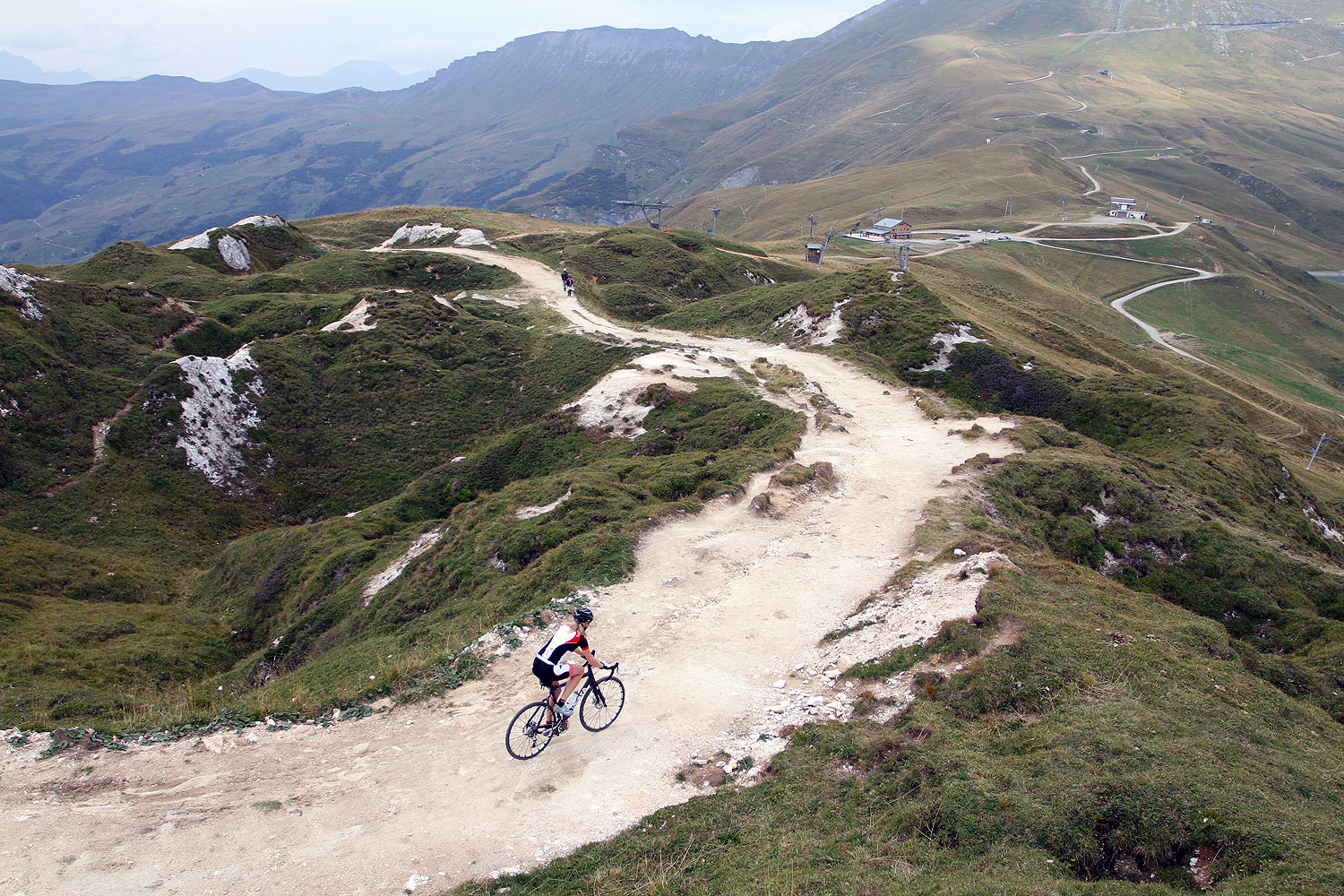
It starts as a whisper — the crunch of tyres over compact dirt, the whirr of a 1x drivetrain, the breath of a rider cresting a pass with no cars in sight. It’s not quite road cycling, not quite mountain biking, and it’s making its way into the high alpine with conviction. Gravel biking, once a fringe genre, is now rewriting the book on how to explore Europe’s greatest terrain.
Alpine gravel is not a fad. It’s a discipline—and increasingly, a philosophy. For those with the legs, lungs, and love of mixed surface suffering, the Alps now offer a playground of unpaved passes, historic military roads, and high-altitude loops that were once the domain of trail runners and 4x4s.
Much of Europe’s alpine gravel infrastructure wasn’t built for bikes. Routes like the Strada dell’Assietta in Piemonte or the Albula Pass old road in Graubünden were carved for strategic, agricultural, or early tourism reasons.
“These roads were built for mules and convoys, not drivetrains,” says Swiss cyclist and photographer Jeroen Maris, who has been documenting alpine gravel since 2017.
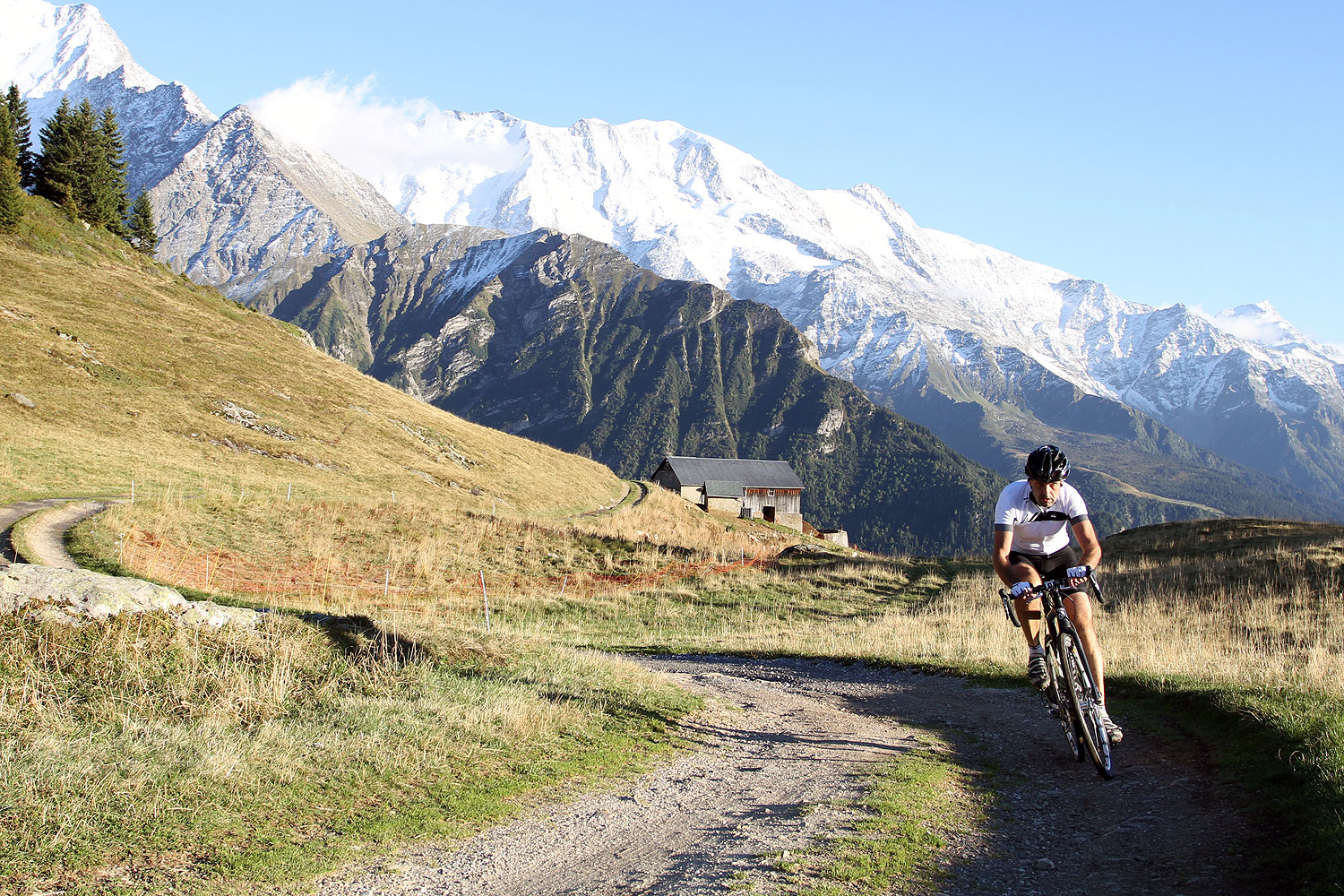
The Strada dell’Assietta, running roughly 50 km at altitudes above 2,000m, now serves as the crown jewel for gravel events like the Torino-Nice Rally. It’s rugged, but not violent—a line that defines alpine gravel.
Elsewhere, the Col du Joly in France offers a rolling gravel ascent through meadows and ski lift scars, while the Ofenpass in Switzerland can be linked to gravel-accessible dirt singletrack into the Val Müstair. These are not road rides. They are routes that demand line choice, gearing judgment, and an appetite for washboard descents.
Road cycling in the Alps remains iconic, but increasingly contested. Summer traffic, aggressive drivers, and the popularity of col-bagging apps have clogged the classics.
“Galibier in July is a peloton of camper vans,” says Ulrich König, a cycling guide and former pro from Innsbruck. “Gravel lets you step sideways from the circus.”
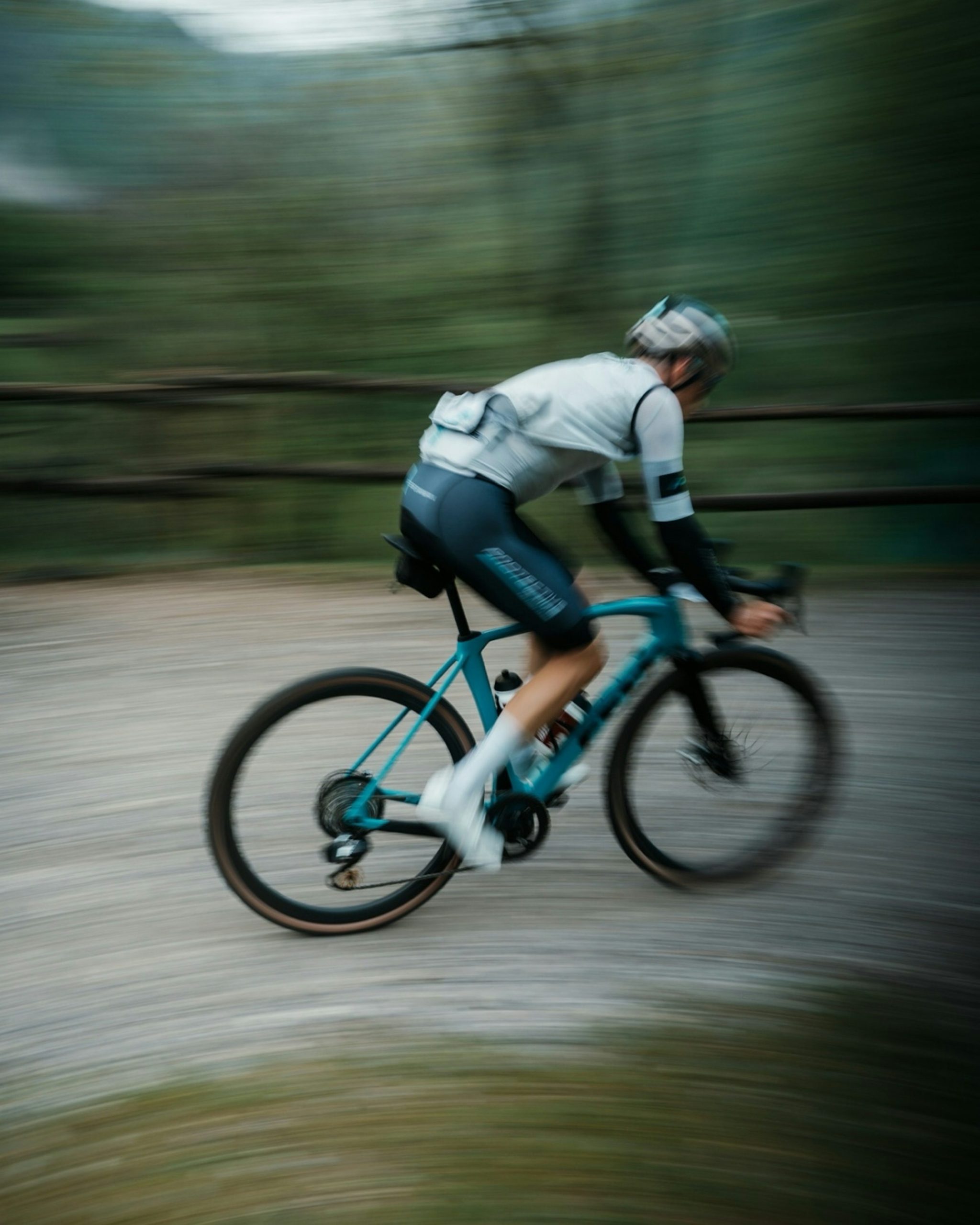
The tech has caught up, too. With lightweight carbon frames, tubeless tyres, and 50/34 sub-compact gearing or mullet setups (road front, MTB rear), riders can now climb 15% gravel grades and descend without cracking rims or vertebrae.
“It’s freedom, not friction,” says König. “You can reroute mid-ride, turn onto a forest road, and still hit 2,500m that day.”
The pandemic boom in bikepacking gear (handlebar rolls, frame bags, dropper posts on drop bars) made longer alpine adventures more viable. What used to be niche is now curated: apps like Komoot, RideWithGPS, and Gravelmap list verified alpine gravel segments, often with surface ratings.
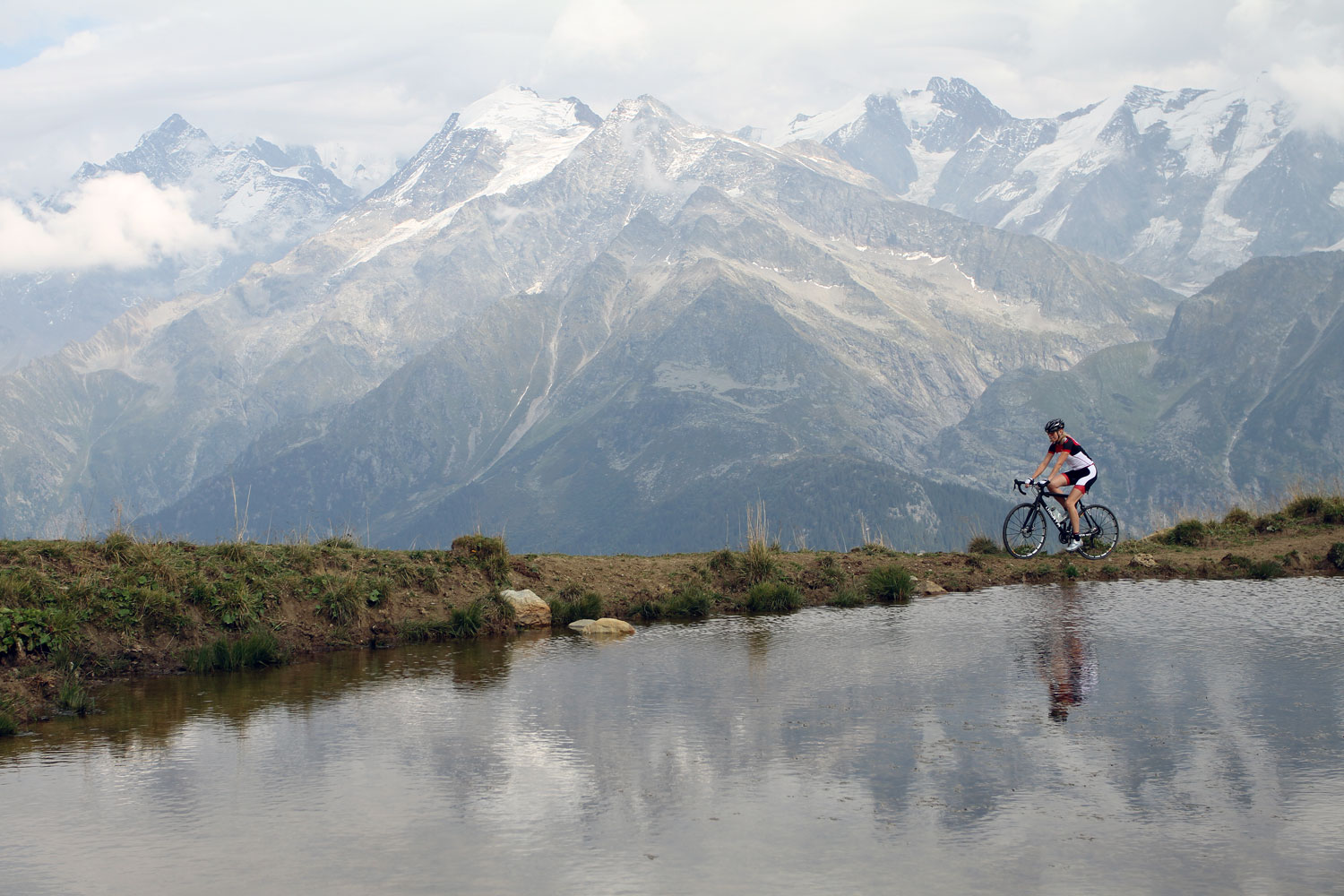
There’s a new breed of cyclist hunting cols—not for KOMs or summit signs, but for the satisfaction of linking off-grid passes in one clean arc. Here are three alpine gravel routes gaining serious traction:
- Albula Gravel Triangle (Graubünden, CH): Predominantly unpaved triangle between Preda, Naz, and the Albulapass summit, with an optional descent into Bever.
- Furka–Grimsel Link (UR/VS, CH): An ambitious traverse that uses gravel cut-offs between the paved monsters. Risky in wet, sublime in early autumn.
- Colle delle Finestre–Assietta (ITA): Perhaps the most legendary alpine gravel combo. 1,700m of climbing, WWII-era roads, panoramic ridgelines. Avoid weekends.
Gravel Gear for Altitude
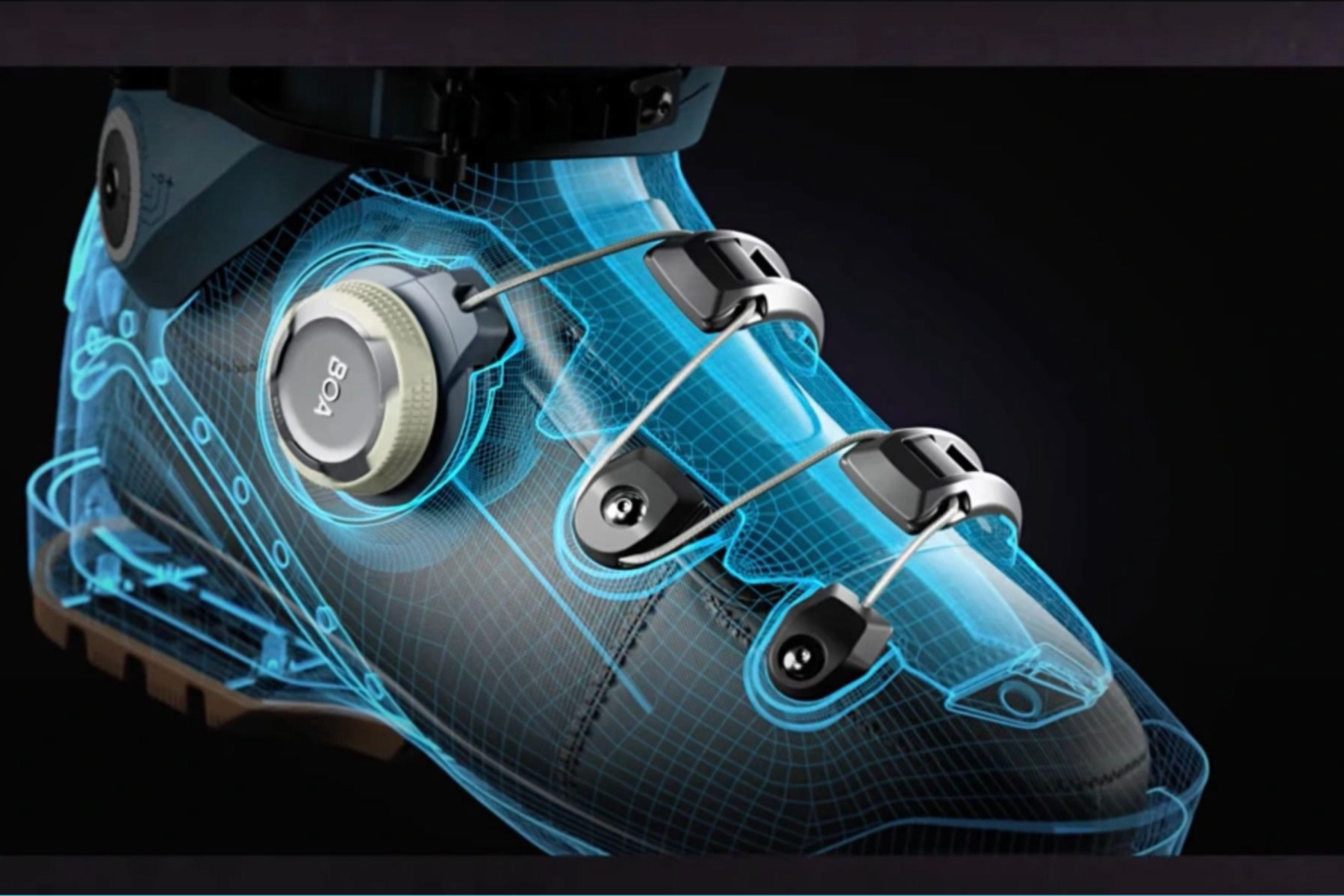
Gravel bikes for alpine conditions need more than big tyres and fancy paint. Key choices include:
- Brakes: Hydraulic discs are non-negotiable on 20km+ alpine descents.
- Tyres: 38–45c tubeless with sidewall protection. Vittoria Terreno Dry, Schwalbe G-One RS, and Pirelli Cinturato Gravel M all rate well.
- Drivetrain: SRAM XPLR or Shimano GRX. Wide range cassettes (10–44) preferred.
- Storage: Frame bags or saddle packs over backpack to maintain lower centre of gravity.
Testers at Gravel Cyclist and BikeRadar found that most carbon gravel frames can handle multi-day alpine tours with moderate loadout—though alloy may be better suited to remote routes with unpredictable terrain.
The alpine gravel scene is still forming, and that’s the appeal. Small meetups, WhatsApp route shares, and café-brewed beta dominate. Events like the Jura Gravel or Alps Divide are low-key but growing.
“There’s no peacocking,” says Lucie Rey, founder of Gravel Chérie, a Swiss-French women’s gravel collective. “It’s quiet confidence. Everyone’s got scratches on their top tube.”
Some ski resorts are even testing summer gravel events. Verbier hosted its first summit-to-summit gravel loop in 2024. The Andermatt–Oberalp–Surselva region is exploring multi-surface loops to attract offseason riders (Tourismus Graubünden Report, 2024).
A New Kind of Elevation
Gravel in the Alps is not softer than road or MTB—it’s simply more layered. It blurs distinctions between exploration and exertion, between map-reading and muscle memory. It’s for those who care more about where they went than how fast they got there.
And in a landscape where glaciers retreat and roads fill up, it might be the most future-proof way to ride high.