
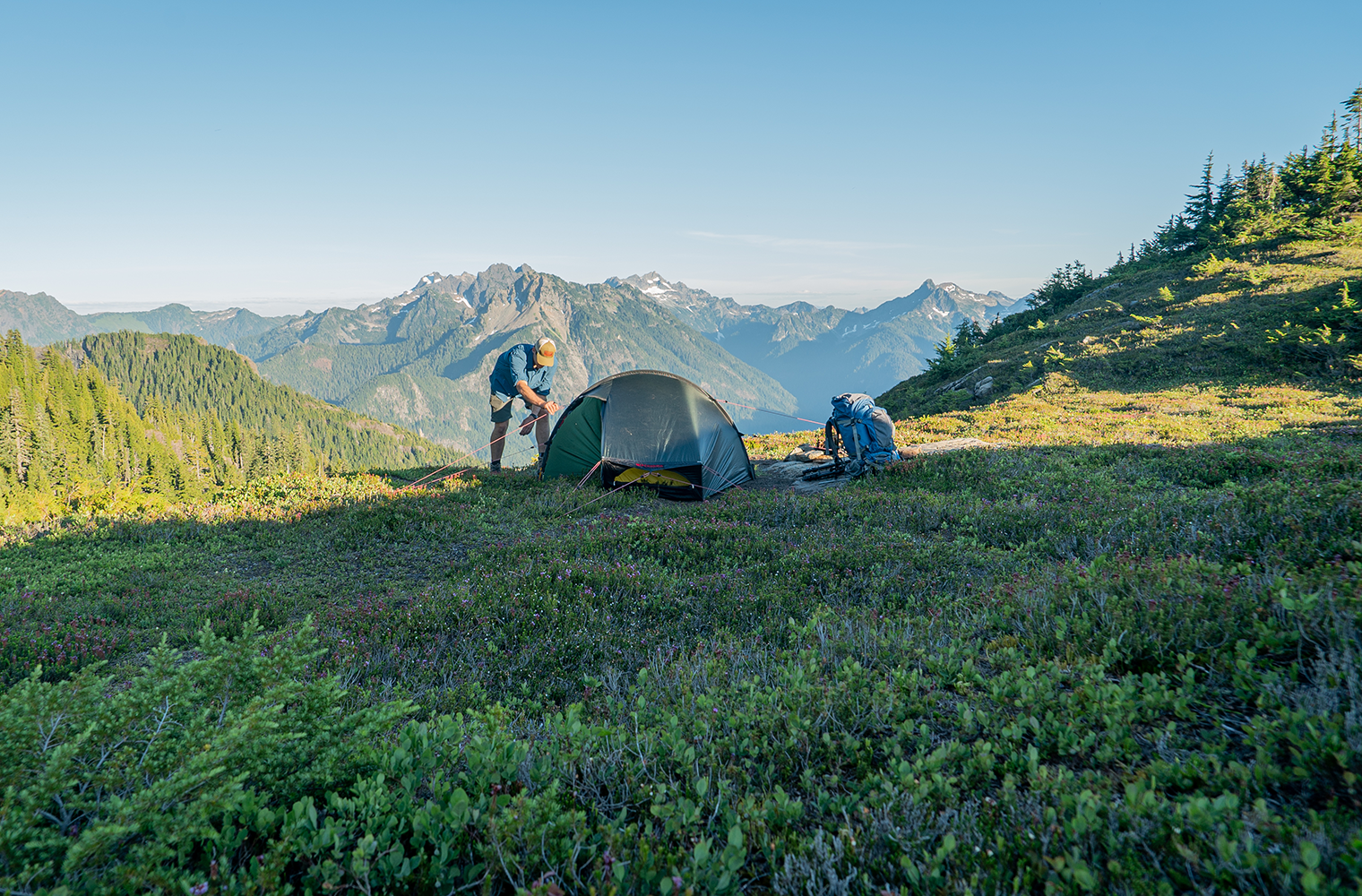
Fastpacking in the high Alps demands a synthesis of endurance, efficiency, and technical expertise. For serious alpine athletes, every gram matters. Multi-day traverses across ridgelines, passes, and remote valleys require not only strength and conditioning, but also careful selection of gear that balances weight, durability, and performance. Unlike casual trekking, alpine fastpacking is a practice in calculated efficiency, where every item carried is scrutinized for its contribution to speed, safety, or recovery.
The backpack is the fulcrum of this system. It must carry all essentials—shelter, clothing, food, hydration, and electronics—without impeding movement over technical terrain. European brands excel in producing fast-and-light packs suited for alpine challenges. The Mammut Lithium Pro pack offers a streamlined frame with weather-resistant fabrics, ideal for rapid ridge traverses. Exped’s Mountain Pro series emphasizes modular compartments and hydration integration, allowing athletes to adjust load distribution according to terrain or day-length. For those seeking ultralight solutions, Samaya and Montane provide packs with minimalist designs and ergonomic support, ensuring stability on loose scree or steep ascents. Even traditional mountaineering packs, when selected for weight and ventilation, can serve as multi-day fastpacking platforms. The common thread: every backpack must distribute weight efficiently, allow access to essentials, and minimize fatigue over prolonged movement.
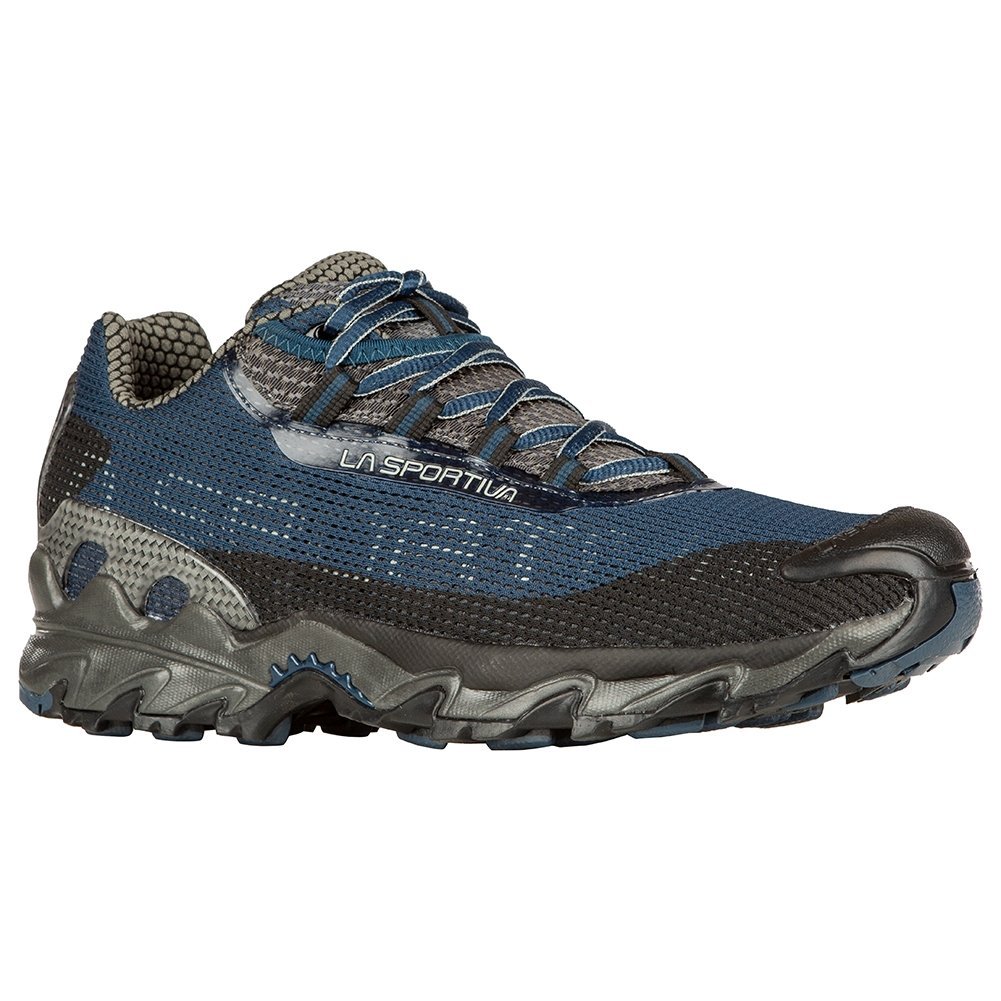
Footwear is equally critical. Alpine fastpackers encounter diverse terrain: rocky ridges, scree slopes, snow patches, and alpine meadows. Footwear must provide traction, support, and comfort while remaining lightweight enough to preserve speed. Trail-running shoes such as the Altra Lone Peak, Hoka Mafate Speed 4, La Sportiva Wildcat, and Salomon S/Lab Ultra are designed for aggressive terrain, offering deep lugs for grip, cushioning for extended days, and protection from rocks or roots. Hybrid approach shoes or light mountaineering boots are preferred for glacier travel or sections with mixed snow and rock, balancing rigidity with mobility. Footwear selection influences not only pace but also energy efficiency and injury prevention; even small misalignments or poorly chosen soles can dramatically affect performance in high-altitude terrain.
Layering strategies are an extension of this careful selection. Base layers must wick moisture efficiently to prevent chilling during climbs, while mid-layers and insulation are tailored to thermoregulate during rest or exposure. European brands provide lightweight yet high-performance options: the Montane Prism Jacket, Mammut Eigerjoch Pro Jacket, and Mountain Equipment Lightline Hooded Jacket combine down or synthetic insulation with compressibility for multi-day use. Shells like Pertex Quantum, Polartec NeoShell, or Gore-Tex Pro deliver windproof, waterproof protection without excessive bulk. Modern fastpackers favor modular clothing systems, allowing layers to be added or removed dynamically as conditions change. The goal is always to maintain comfort and mobility without adding unnecessary weight, ensuring sustained high-output performance across complex terrain.
Finally, this first stage emphasizes the philosophy of integration. Fastpacking is not a collection of gear choices; it is a system where each element—backpack, footwear, layers—interacts with others to optimize efficiency, endurance, and safety. Weight distribution in a pack affects stride and fatigue; shoe choice impacts stability and pace; clothing layers influence energy expenditure and thermoregulation. Serious alpine athletes think in systems, not items. The goal is to achieve a seamless balance between performance, protection, and minimalism, enabling movement across the high Alps with speed, resilience, and confidence.
By combining ultralight, European-focused packs and footwear with intelligent layering, athletes create the foundation for high-output, multi-day alpine expeditions. This section establishes the first principle of alpine fastpacking: success is built on gear choices that are not just lightweight, but strategically integrated for sustained performance in a dynamic, high-altitude environment.
Packs (fast & alpine)
Choose a low-volume, secure carry system with a stable hipbelt and hydration sleeve.
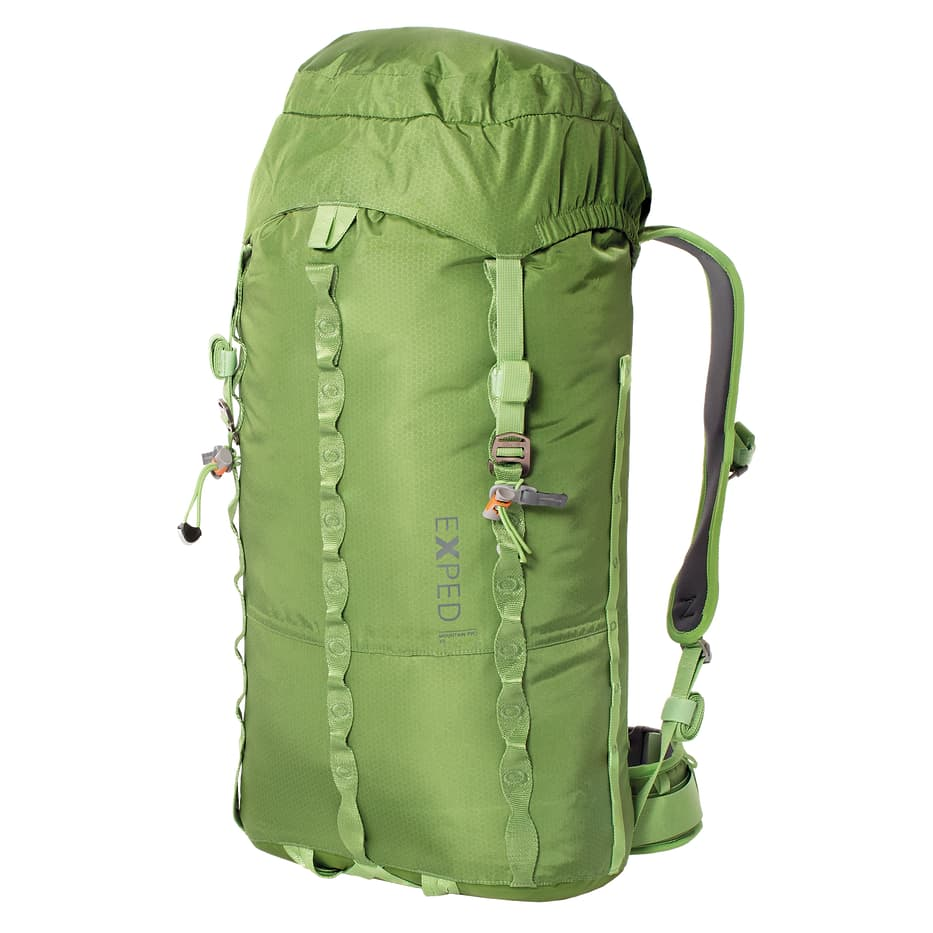
- Exped Mountain Pro 40 — light alpine pack with good load distribution
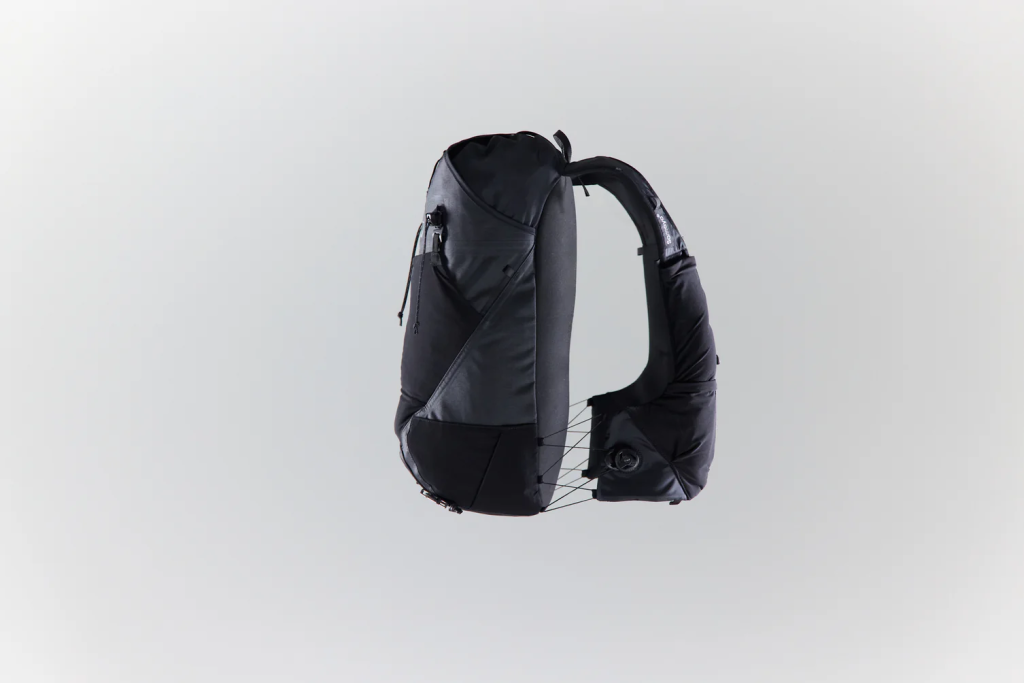
- Samaya Alpine Pace / Samaya race packs — ultralight, alpine-focused
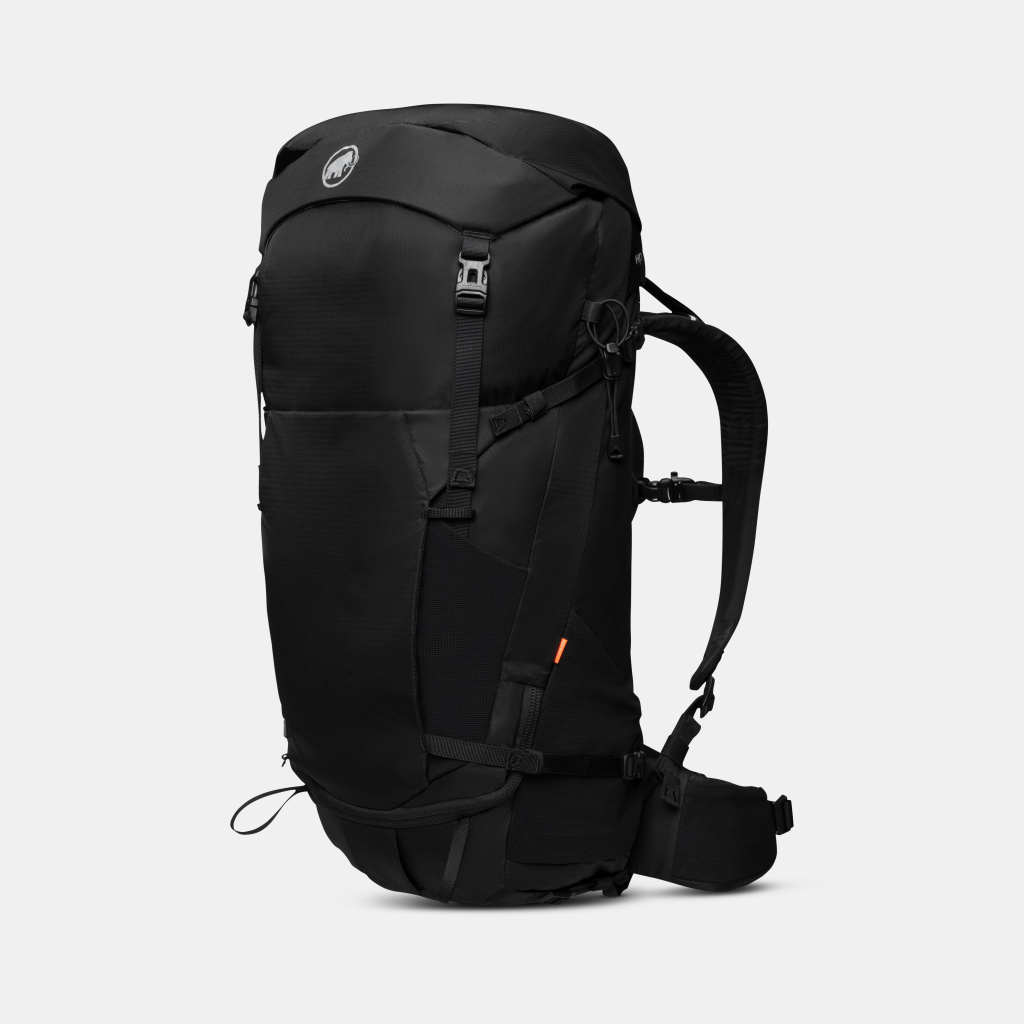
- Mammut Trion 28 / Mammut Lithium Pro 28 — Mammut alpine options
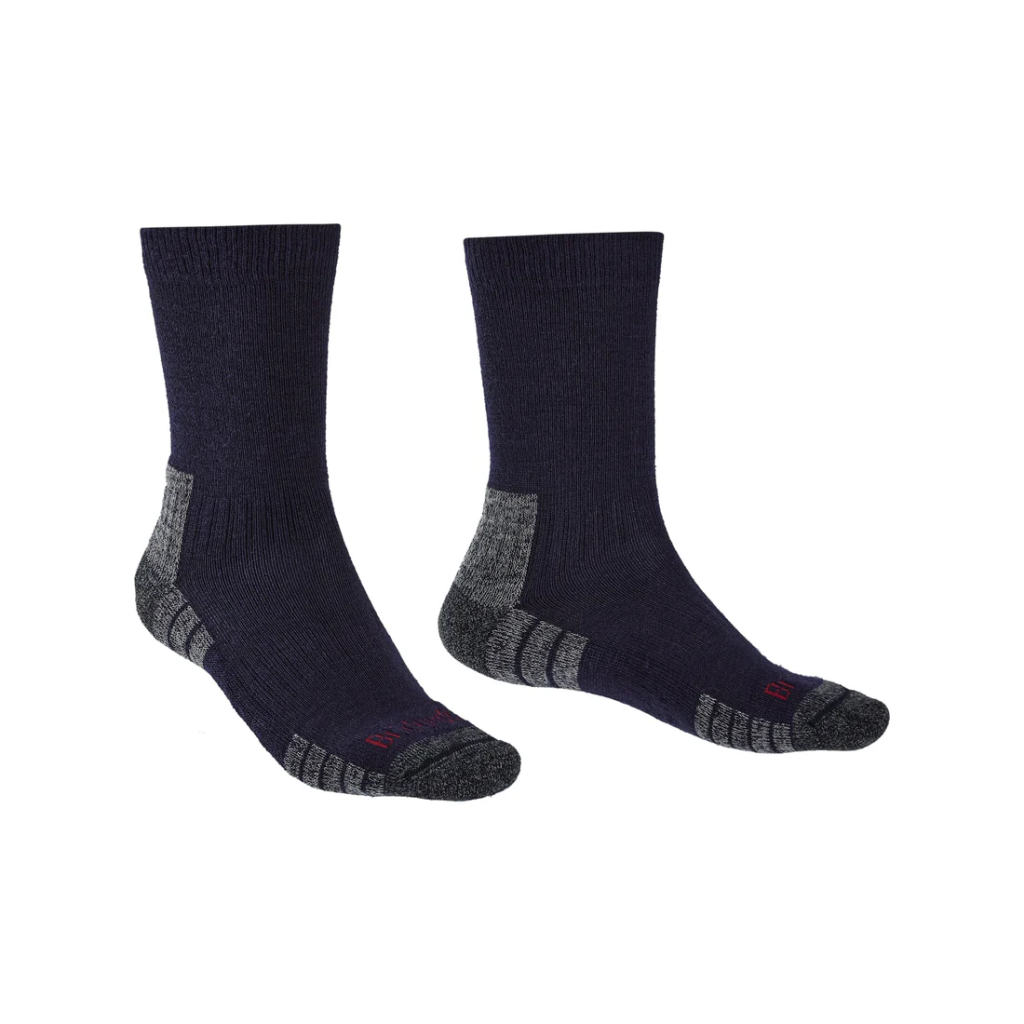
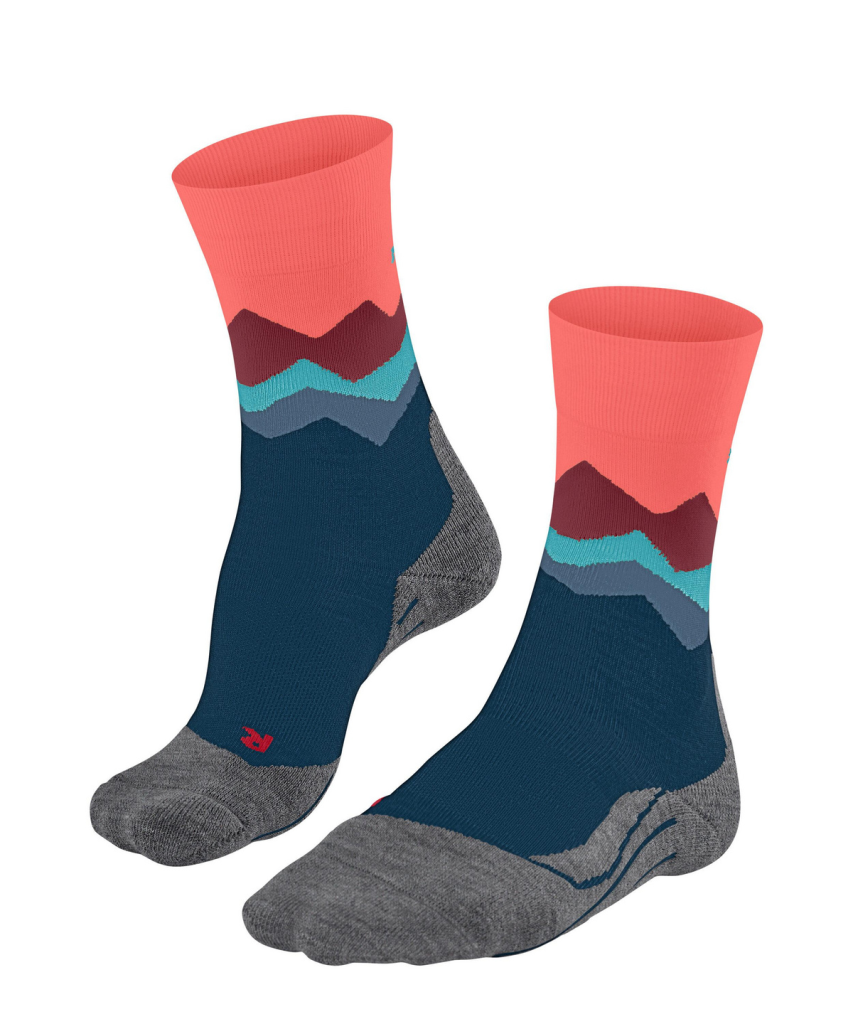
Socks & foot care
Merino or technical socks with zone cushioning; carry blister kit and small repair tape.
- Bridgedale technical hiking socks
- FALKE TK2 / running socks for fast alpine movement
Footwear
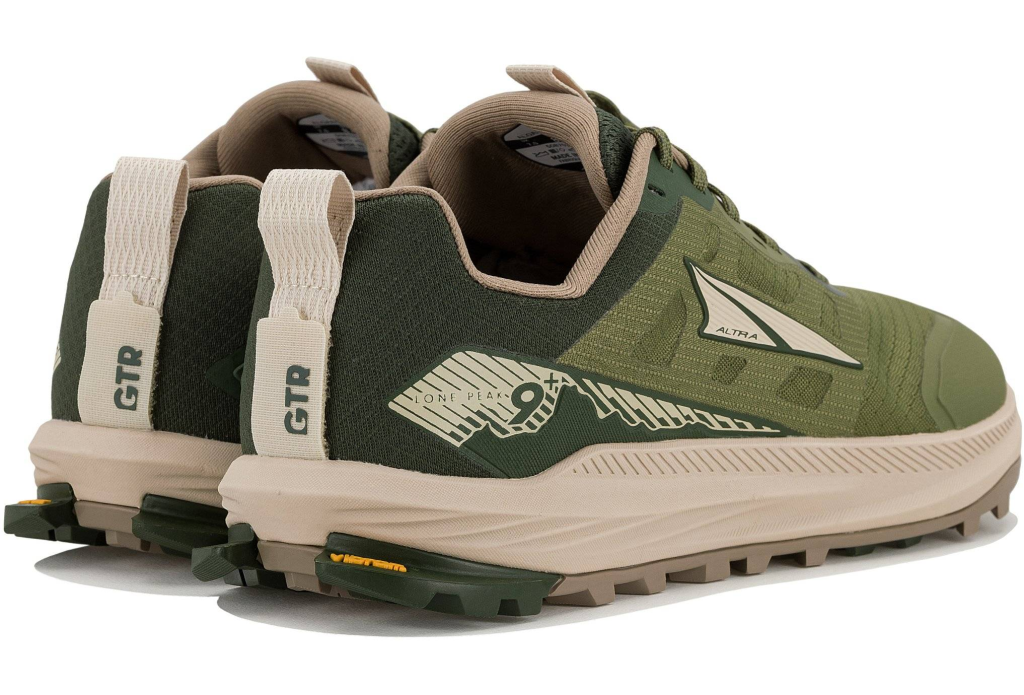
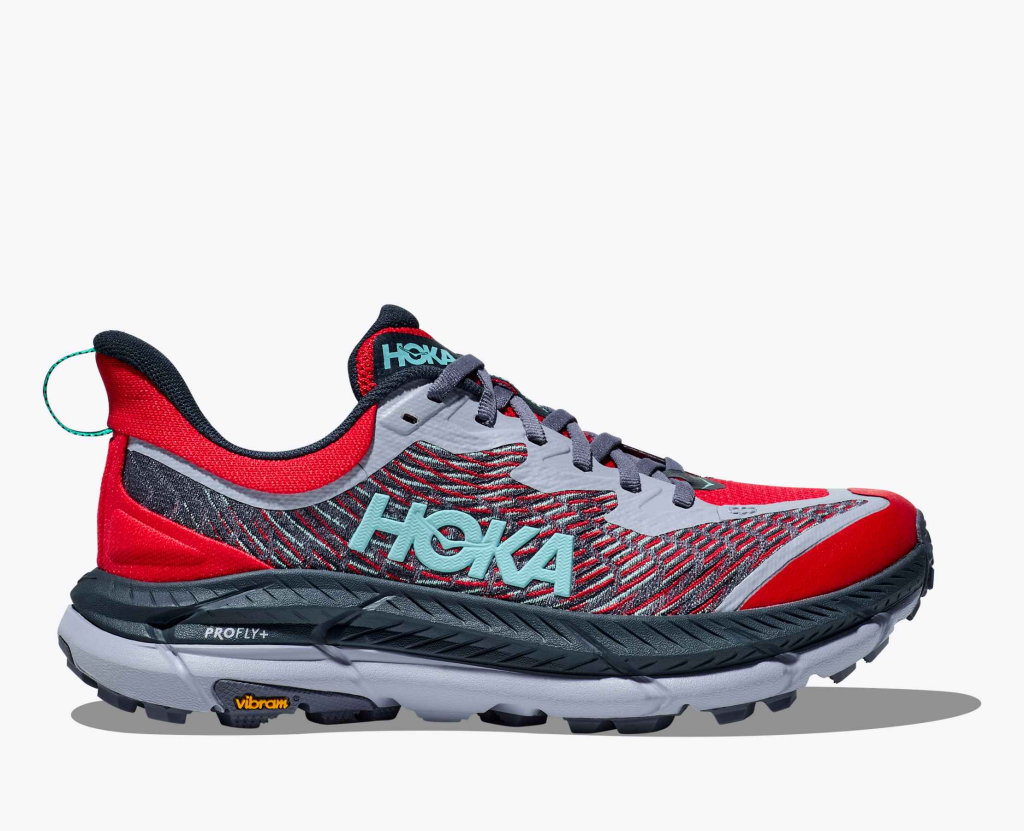
Fastpacking shoes that combine grip, protection and low weight.
- Altra Lone Peak (trail-fastpacking)
- Hoka Mafate Speed / Hoka Speedgoat variants
- La Sportiva Wildcat / trail shoes with stick and toe protection
After establishing mobility with backpacks, footwear, and clothing, the next layer of fastpacking strategy revolves around sustaining performance, safety, and recovery over multiple days. Shelters, insulation, nutrition, and electronics are central to this equation. They are not optional add-ons; they form a cohesive system that allows the athlete to maintain pace, conserve energy, and mitigate risk in the high Alps.
Shelters have evolved dramatically with advances in ultralight materials. European brands such as Samaya, Mammut, and Exped offer tents that balance durability with minimal weight. The Samaya 2.5 or Exped Gemini II Ultralight provide protection against alpine winds and precipitation while compressing to a fraction of traditional mountaineering tents. Ultralight bivy or tarp-and-bivy configurations allow fastpackers to reduce pack weight further while maintaining emergency shelter, critical when moving across multiple high passes in a single day. Modular and quick-deploy designs ensure that athletes can establish safe rest points efficiently, minimizing downtime and maximizing movement during optimal weather windows.
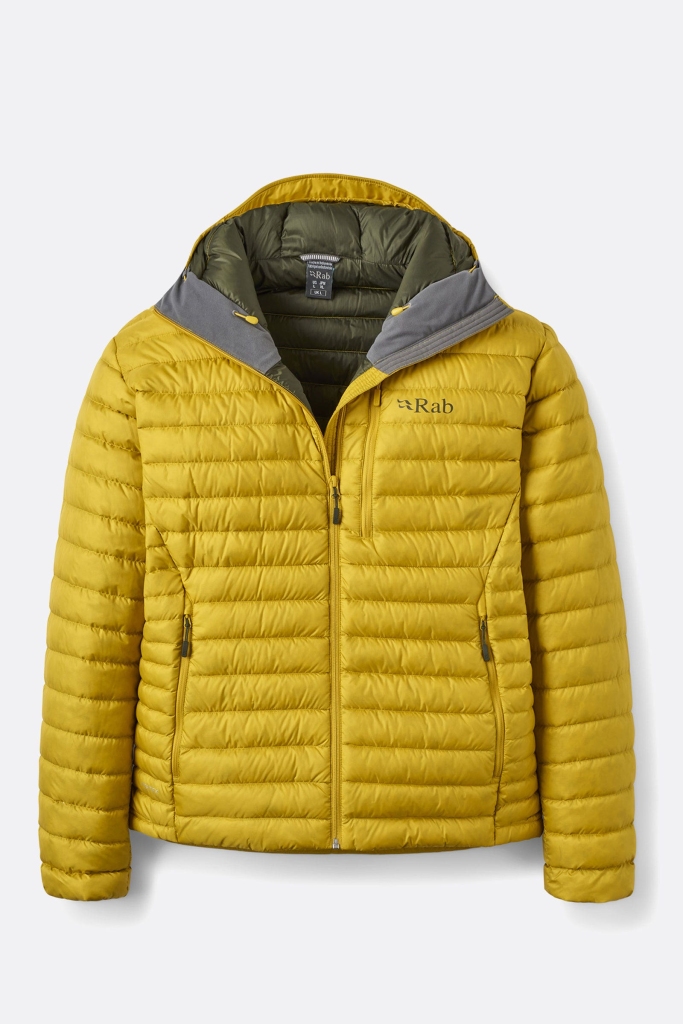
Insulation strategies are closely intertwined with shelter. Lightweight down jackets like the Montane Alpine 850 Hooded or Mountain Equipment Lightline are ideal for high-altitude bivouacs, offering warmth without excessive bulk. Synthetic alternatives maintain insulation when moisture is unavoidable, ensuring the athlete stays warm even in damp conditions. Modern fabrics such as Pertex Quantum, Polartec NeoShell, and Gore-Tex Pro provide windproofing and breathability, allowing layers to work efficiently without compromising mobility. Sleeping bags designed for alpine fastpacking, such as Exped DeepSleep or Samaya Alpine Bivvy, compress tightly while delivering sufficient warmth for overnight recovery, allowing sustained output across consecutive high-altitude days.
Nutrition is a critical, often underestimated pillar of performance. Fastpacking requires energy-dense, lightweight food that can be consumed on the move. Freeze-dried meals, protein bars, energy gels, and electrolyte powders provide essential calories without overburdening the pack. Hydration systems, such as integrated bladders from Mammut or Exped, allow athletes to maintain fluid intake without stopping frequently. Effective nutrition strategy balances macro- and micro-nutrients with pacing, timing intake around climbs, descents, and altitude to optimize glycogen stores and cognitive function. Over multiple days, careful planning ensures that weight, caloric intake, and access to hydration points remain synchronized, directly affecting endurance and overall performance.
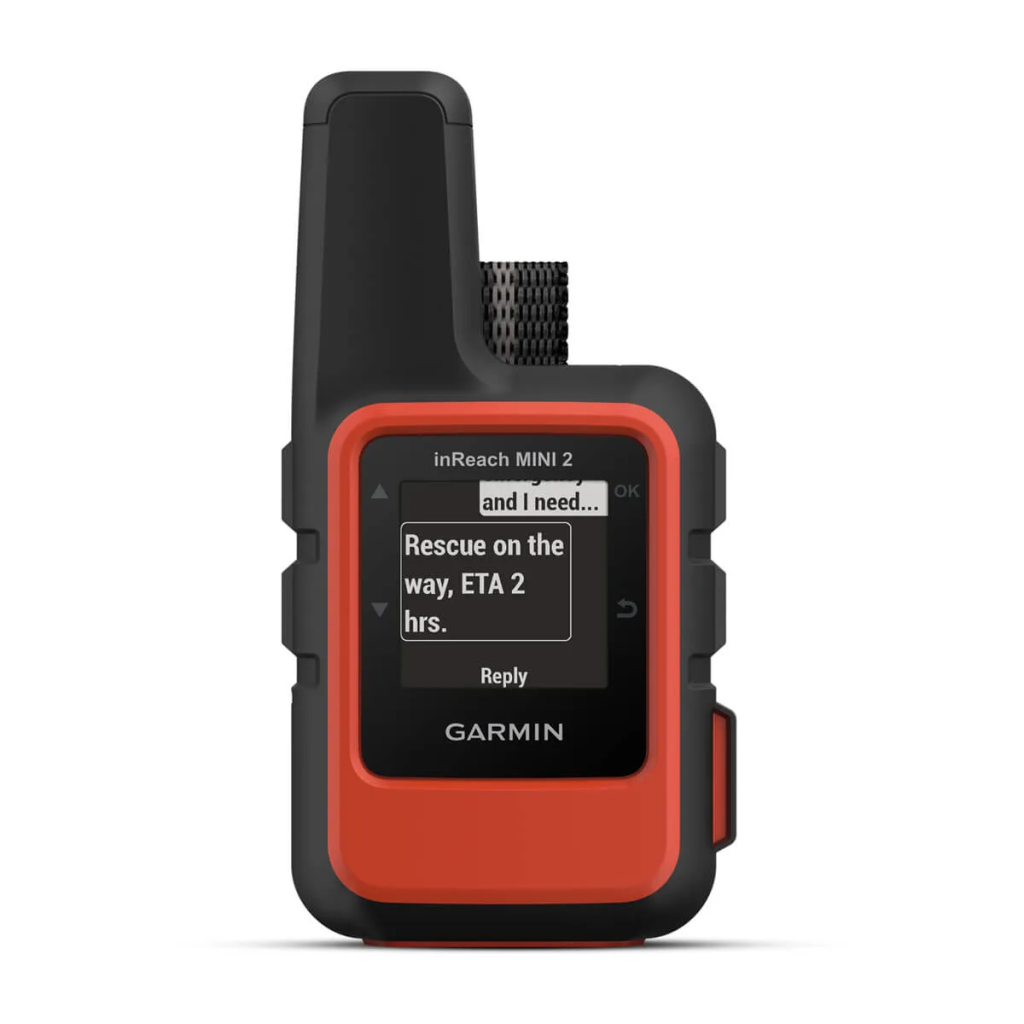
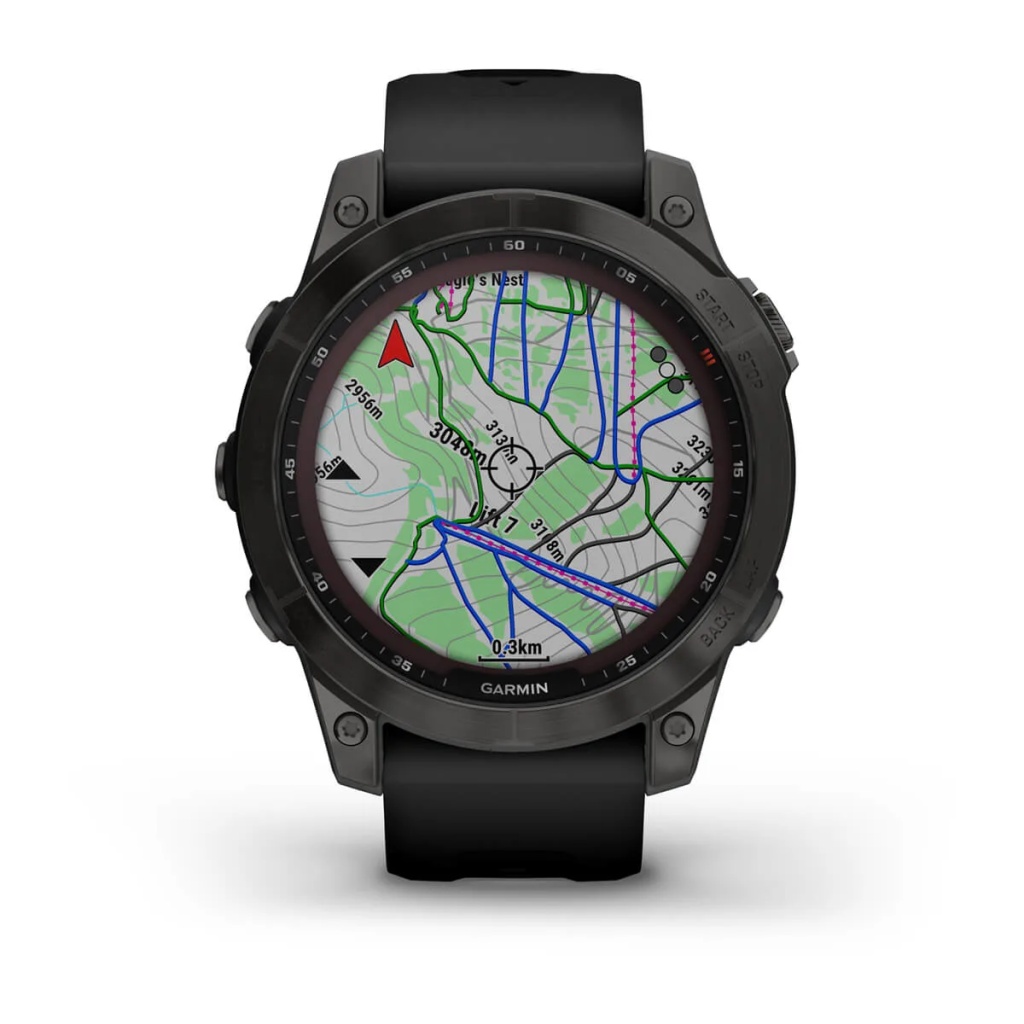
Electronics are another essential element, enhancing safety and strategic decision-making. Devices like the Garmin InReach Mini satellite communicator, Mammut Barryvox S avalanche transceiver, and barometric GPS watches provide real-time data on terrain, altitude, and weather. Importantly, these devices are lightweight, low-power, and durable, supporting high-altitude performance without adding undue load. Advanced electronics allow route optimization, early hazard detection, and emergency communication, but they function best when integrated with traditional alpine skills such as map reading, compass navigation, and visual terrain assessment. The combination of digital and analog navigation ensures the athlete maintains situational awareness while retaining the agility required in dynamic alpine environments.
By combining ultralight shelters, modular insulation, efficient nutrition, and strategic electronics, athletes construct a systemic foundation for multi-day alpine expeditions. Each component influences the other: pack size dictates shelter weight, clothing layers affect caloric expenditure, and electronics inform pacing and route selection. For serious fastpackers, success is determined not by individual gear choices but by how effectively these systems interact, creating a seamless operational framework that maximizes performance, safety, and efficiency.
This second section underscores a key principle: in alpine fastpacking, sustained high-output movement is only possible when shelter, insulation, nutrition, and electronics are deliberately selected, integrated, and optimized for the unique challenges of high-altitude, multi-day expeditions.
Insulation & shells
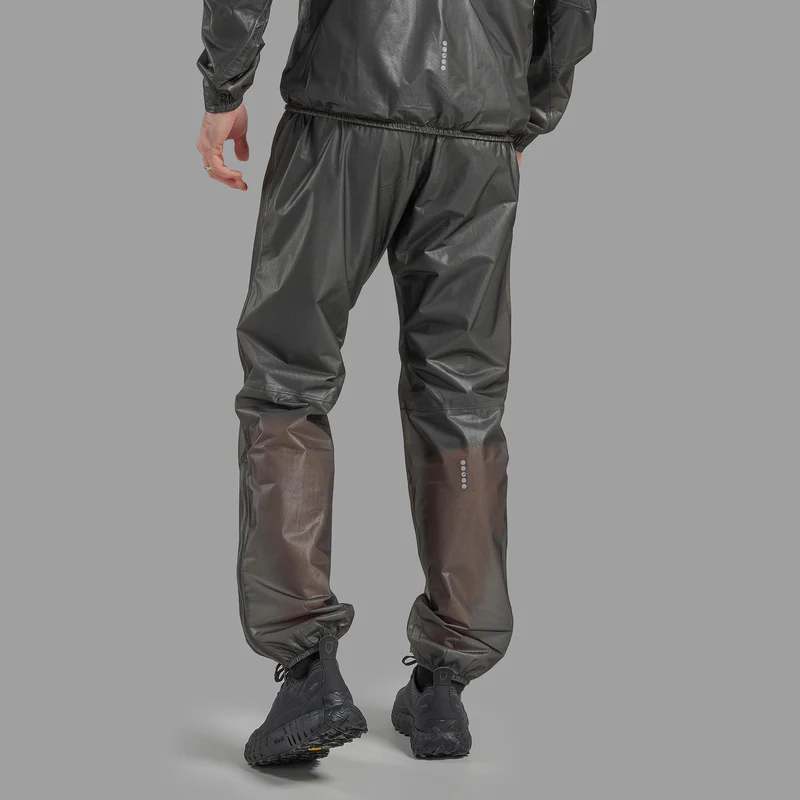
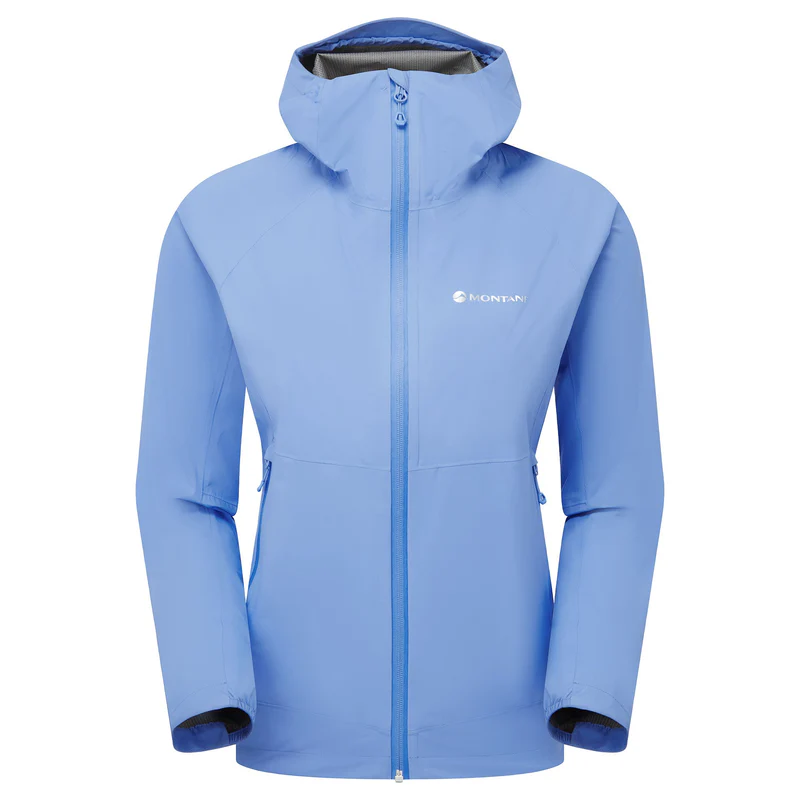
Layering for movement at altitude: windproof/minimal hardshell and a compressible down/synthetic mid-layer.
- Rab Microlight Alpine / Rab down hoody — packable alpine insulation
- Montane Minimus/Featherlite shell — breathable, low bulk waterproof/windproof
Apparel & base layers
Merino or technical synth next-to-skin, breathable mid-layers and fast-drying shorts/shorts-over-tights combos for long alpine moves.
With mobility, shelters, insulation, nutrition, and electronics in place, the fastpacker’s focus shifts to integration and strategy—turning individual equipment choices into a cohesive system capable of supporting high-output performance over multiple days. Success in the high Alps is not defined solely by speed or distance, but by the efficiency and sustainability of movement across varied terrain, exposure, and altitude.
The first element of integration is load management. Packs such as the Mammut Lithium Pro, Exped Mountain Pro, or Samaya Alpine Pace serve as central hubs for organizing gear efficiently. Items are packed according to access frequency and priority: hydration systems and navigation devices remain immediately reachable, while mid-layers, insulation, and bivy gear are stored for use at planned breaks. Correct load distribution preserves balance, reduces joint stress, and allows athletes to traverse scree slopes, ridgelines, and narrow paths with confidence. Multi-day expeditions demand that every gram and every centimeter of space is optimized for both function and accessibility.
Footwear and clothing remain intertwined with load strategy. Trail-running shoes like the Altra Lone Peak, Hoka Mafate Speed 3, or La Sportiva Wildcat allow rapid movement over technical terrain, while hybrid approach shoes or light mountaineering boots provide rigidity for snow or glacier travel. Layered clothing systems from Montane, Mammut, and Mountain Equipment ensure warmth and wind protection during bivouacs and exposed sections, while being easily adaptable during high-output segments. The interaction between clothing, footwear, and pack load is crucial: mismanagement can increase fatigue, reduce speed, or elevate risk on exposed terrain.
Environmental stewardship is integral to alpine fastpacking philosophy. The high Alps are fragile ecosystems, and sustainable practices are essential. Athletes minimize impact by staying on established trails, selecting low-impact bivouac spots, and avoiding vegetation damage. Ultralight shelters and efficient fuel use reduce campsite footprints, while water is sourced responsibly and human waste is managed according to Leave No Trace principles. Environmental awareness also supports strategic decision-making: understanding microclimates, seasonal snow patterns, and terrain variability allows fastpackers to anticipate hazards and adjust routes proactively, blending performance with responsibility.
Nutrition and recovery strategies are layered into this integrated system. Energy-dense, compact foods are timed with climbing, descents, and high-altitude exertion to maintain glycogen stores and cognitive function. Hydration points, pre-planned or opportunistic, are critical to sustaining pace and preventing fatigue. Over multiple days, the combination of strategically timed nutrition, lightweight shelters, and adaptable clothing creates a sustainable rhythm, allowing athletes to maintain high-output movement across challenging alpine terrain.
Electronics provide real-time decision support, complementing traditional alpine skills. Satellite communicators, GPS devices, and avalanche transceivers enhance situational awareness, while lightweight, durable designs ensure reliability without adding excessive burden. Electronics are integrated into route planning, risk assessment, and contingency strategies, supporting informed decision-making rather than replacing skill and judgment.
In the final analysis, alpine fastpacking is about orchestrating gear, human performance, and environmental context into a unified system. Each choice—from pack and footwear to shelter, nutrition, and electronics—interacts with others, amplifying efficiency and safety. European-focused brands such as Mammut, Exped, Samaya, Montane, Mountain Equipment, Altra, Hoka, La Sportiva, and Salomon provide tools that exemplify this philosophy, enabling athletes to maximize performance while minimizing weight and risk.
Modern fastpackers navigate the Alps with precision, moving across ridgelines, passes, and valleys with a level of efficiency and endurance that was once impossible. The discipline requires intelligence, adaptability, and deep understanding of both terrain and equipment, creating a paradigm where speed, sustainability, and safety coexist. This is the essence of serious alpine fastpacking: not merely covering distance, but achieving mastery through the integration of human capability, gear innovation, and environmental awareness.
Shelter & bivvy
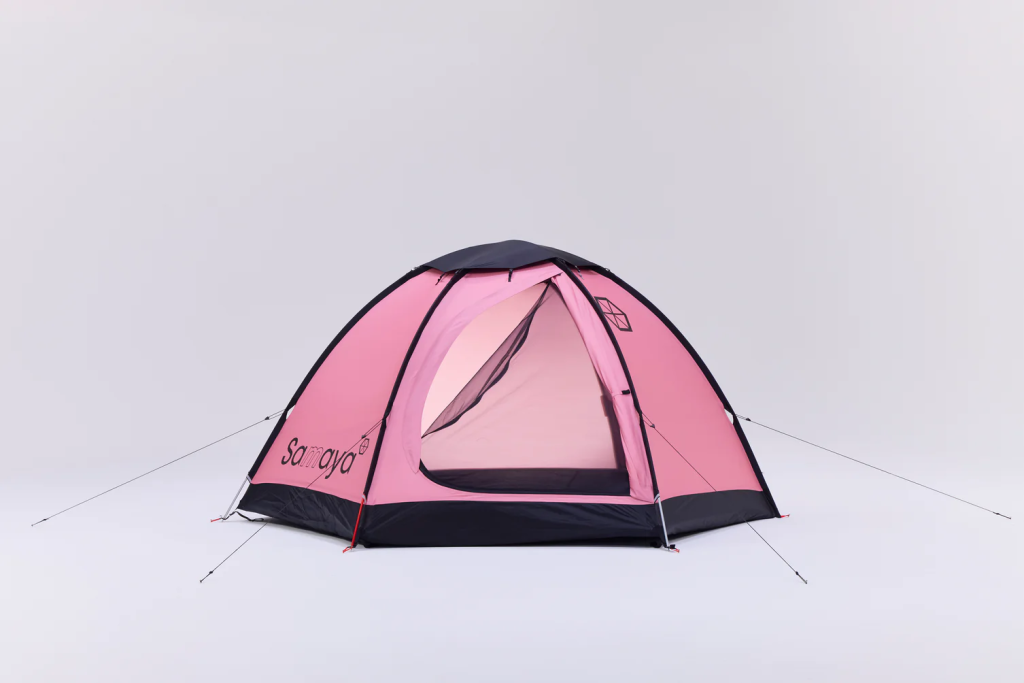
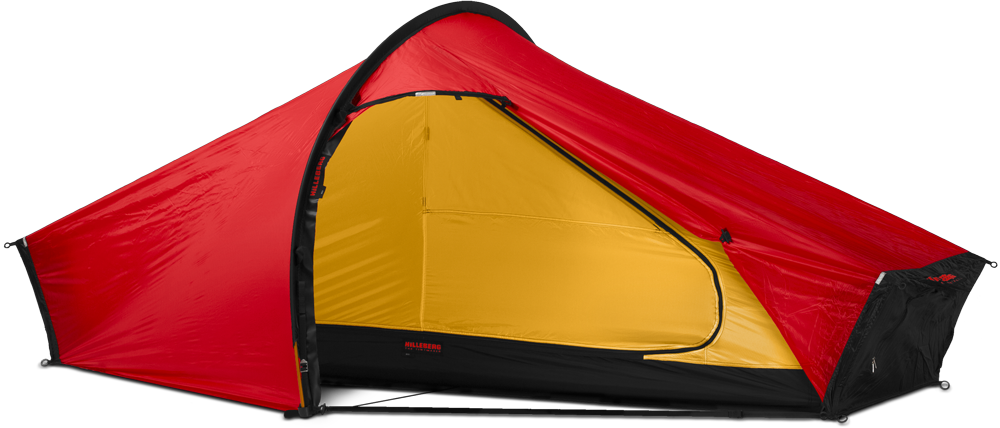
Single-wall Dyneema or light 4-season tunnel tents for exposed ridgelines; solo Akto-style shelters for winter approaches.
- Samaya 2.5 (Dyneema) — light, four-season single-wall option
- Hilleberg Akto / Nallo — bombproof lightweight 4-season tents
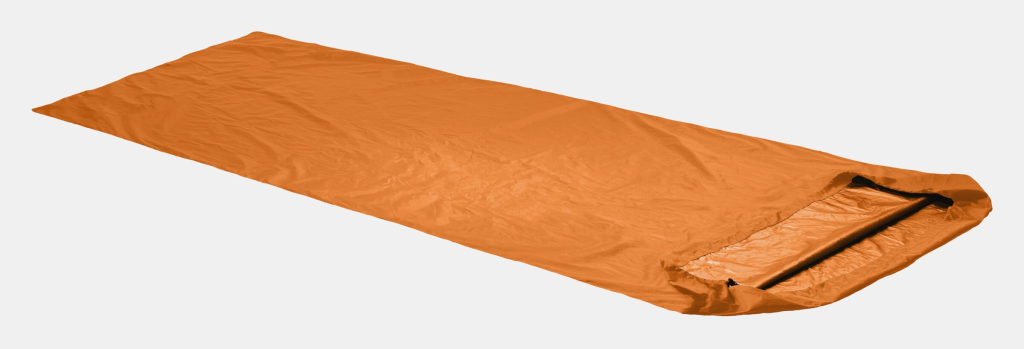
- Minimal bivvy / compact tarp for storm survival and emergency weight saving
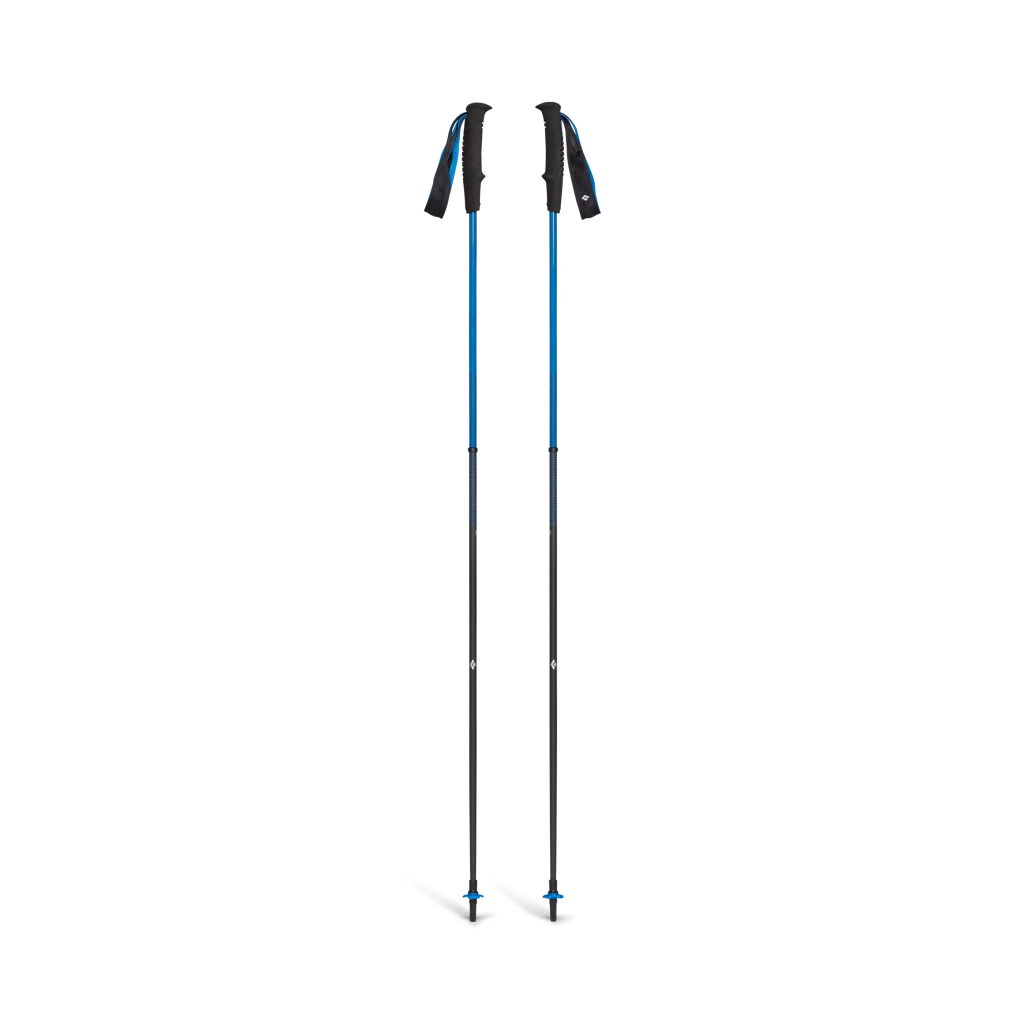
Poles & tent-tools
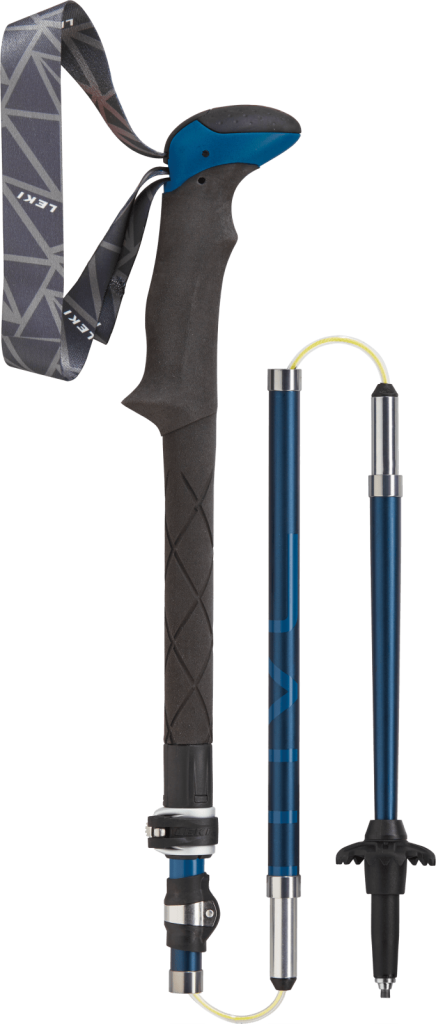
Folding carbon poles for fast travel and pitch-as-tent options.
- Leki Micro Vario Carbon (folding, trusted in EU)
- Black Diamond Distance Carbon (very light, fastpacking favorite)
Navigation & communications
Primary nav on a watch/phone + satellite comms for rescue & route changes.
- Garmin inReach Mini 2 — two-way satellite comms & SOS
- Garmin GPSMAP 66i — handheld GPS + inReach built-in
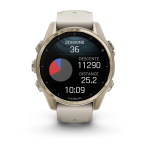
- Garmin multisport watch (fenix/epix) or equivalent for breadcrumbing

Safety & rescue
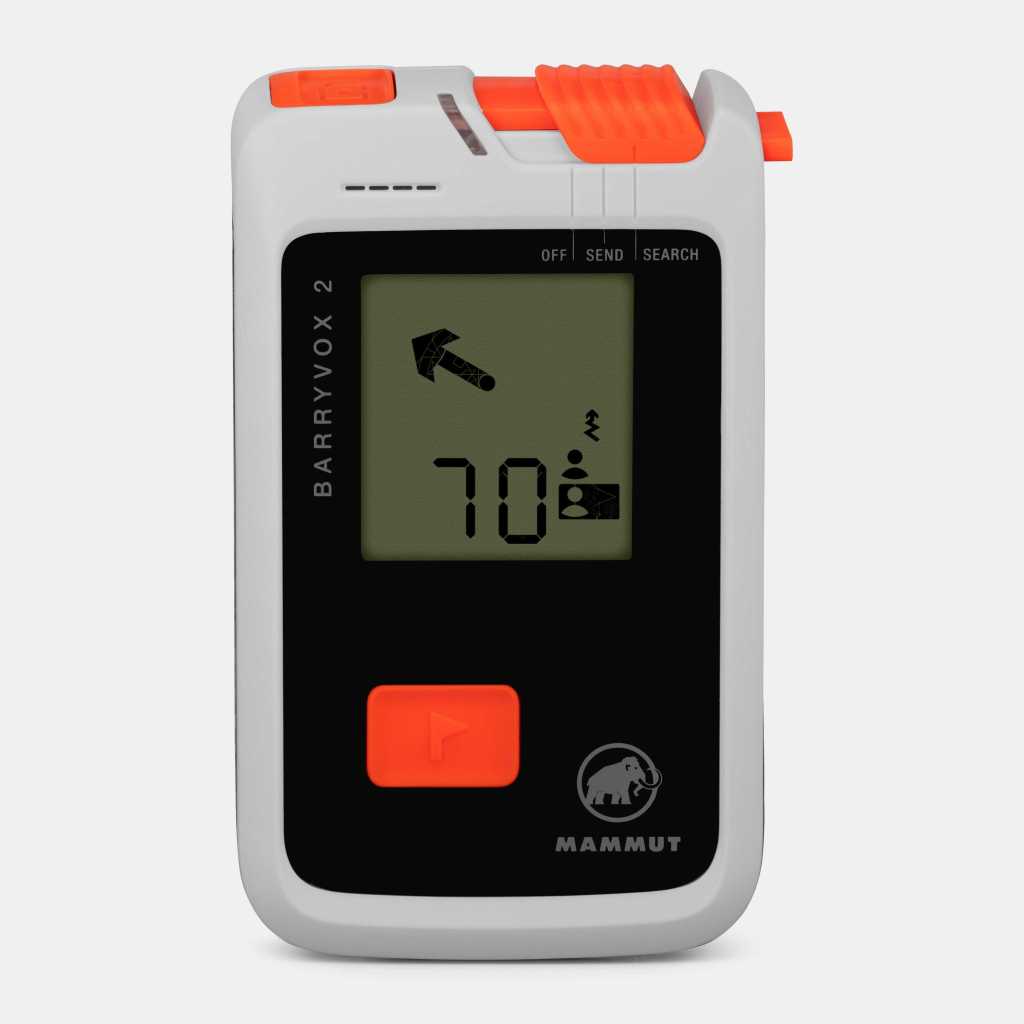
If you travel in winter/early season include beacons, shovel and probe — practice regularly.
- Mammut Barryvox 2 (transceiver) — modern avalanche rescue transceiver
- BCA / Mammut avalanche probes (240–300 cm) and compact Dozer-style shovels
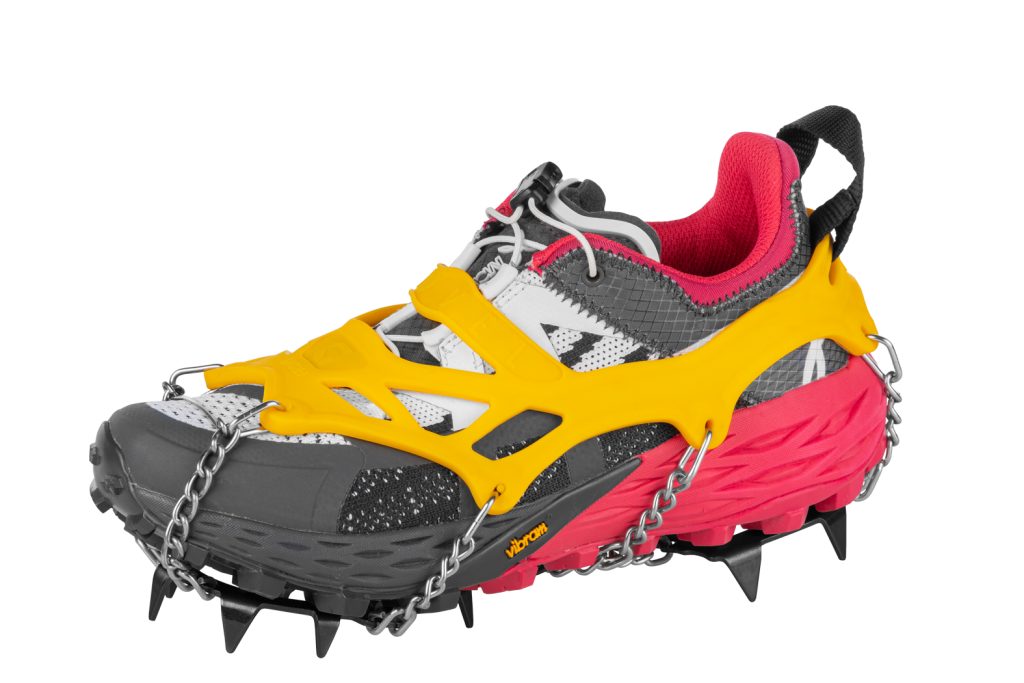
- Petzl Irvis / Grivel crampons when glacier or hard snow is possible
Cooking & hydration
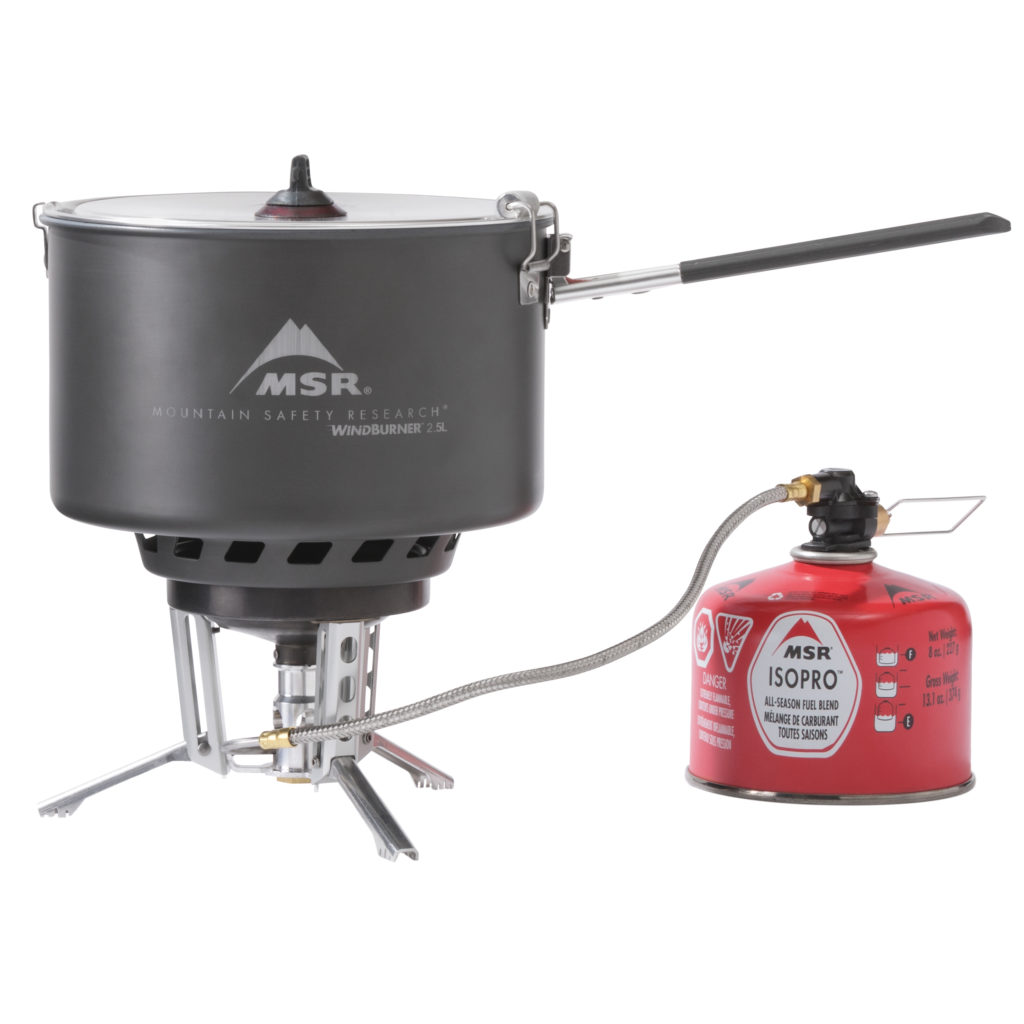
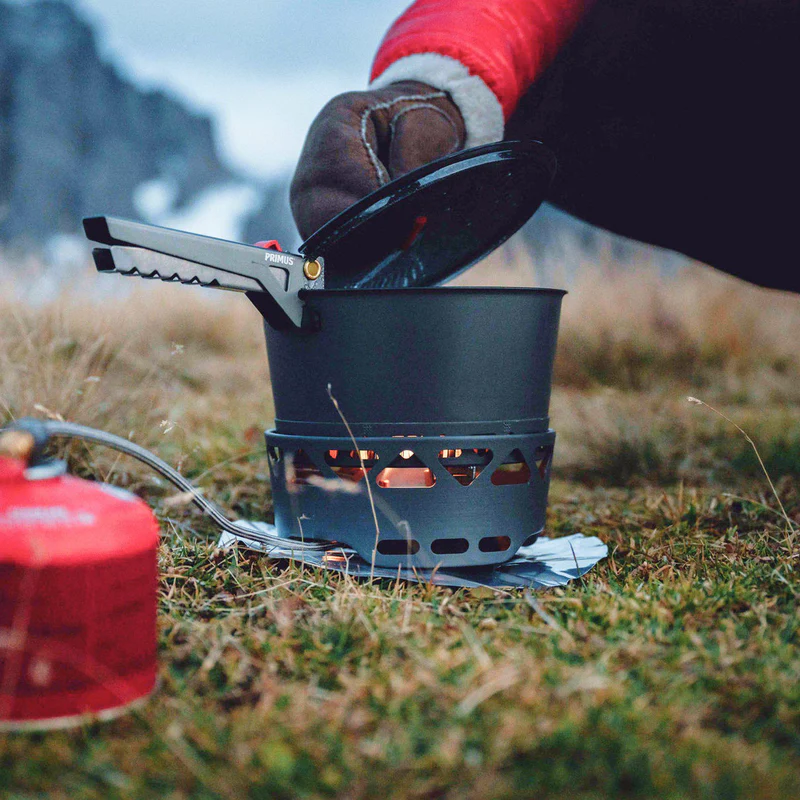
Simple, fuel-efficient setups: small canister stove or Primus multifuel if you need melt/snow.
- Primus Lite / PrimeTech systems — integrated, efficient stove systems
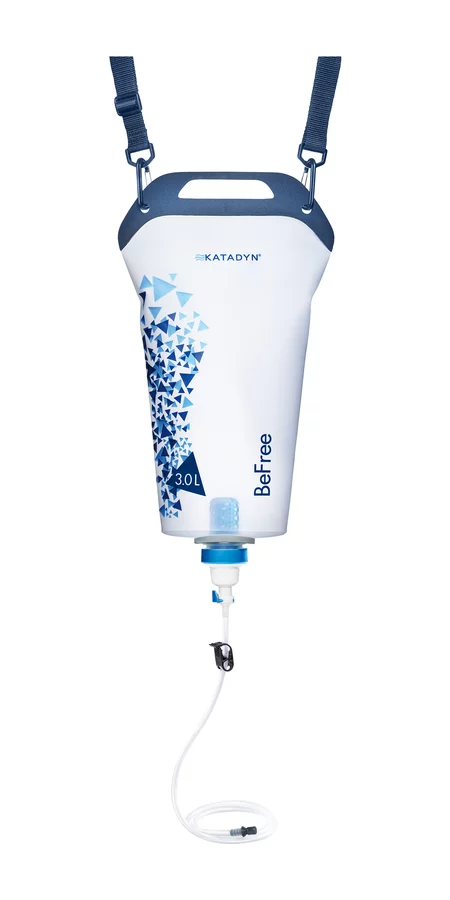
- Katadyn BeFree (or equivalent bladder filter) — ultralight water filtration
- Light pot, spoon, small canister (or fast-melt multi-fuel if winter)
Headwear, gloves & accessories
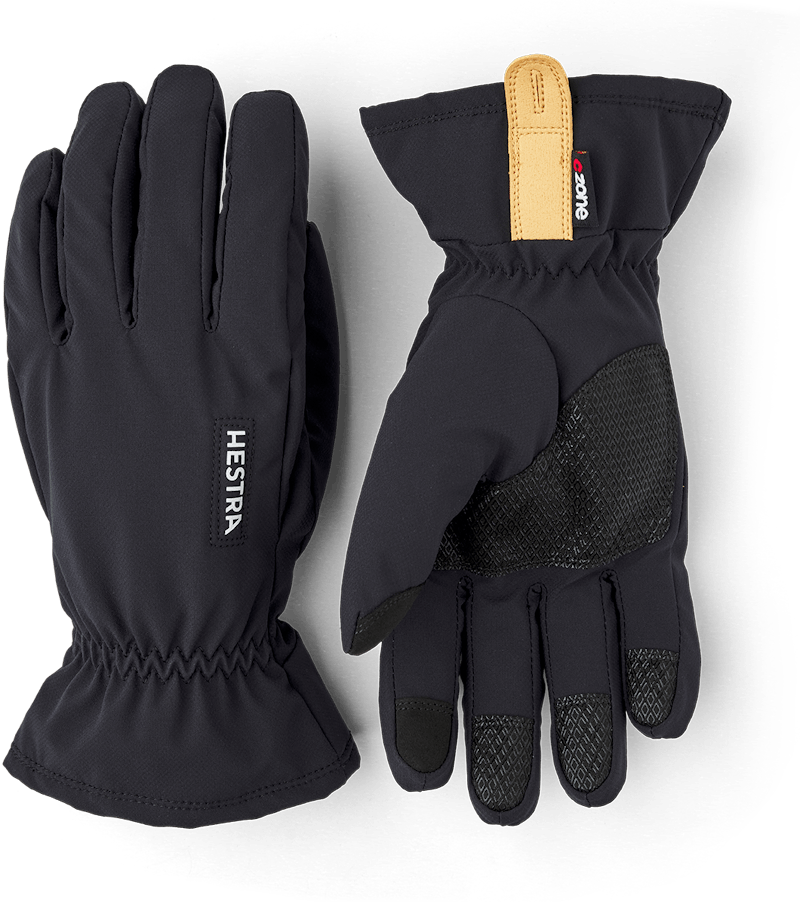
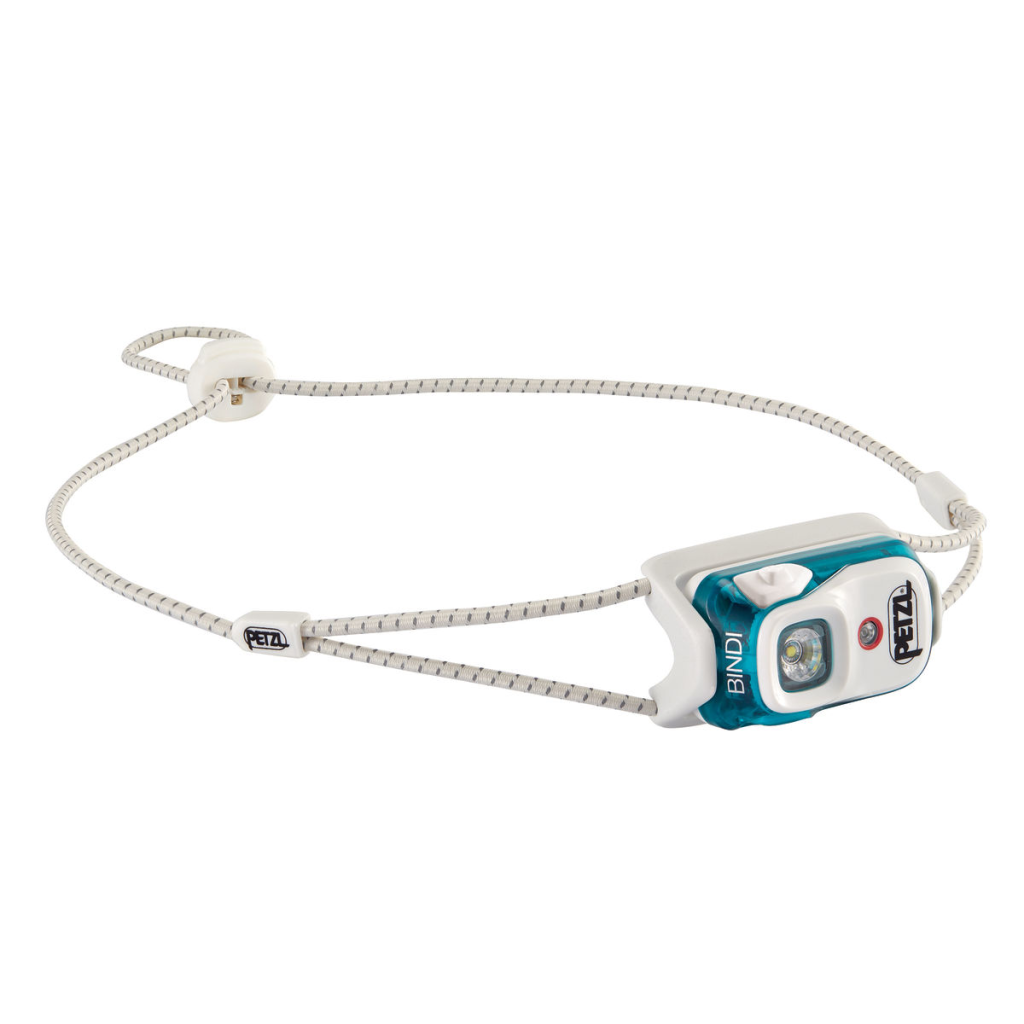
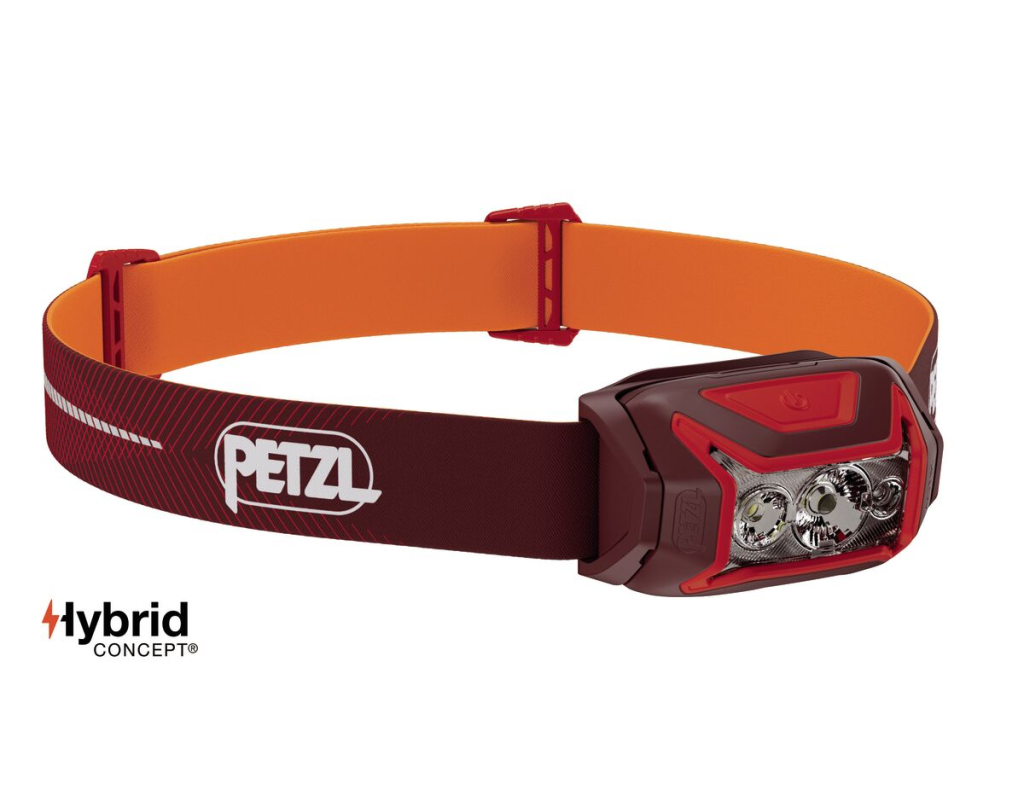
Layered gloves (thin liner + insulated or shell glove), merino hat, buff, headlamp.
- Petzl ACTIK CORE or Petzl Bindi — lightweight headlamps with rechargeable options
- Hestra / Rab gloves — dexterous, weather-resistant options for alpine tasks
Repair kit & health
Needle/thread, duct tape, spare tube/patch, tiny multi-tool, personal first-aid (blister plasters, painkillers), sunscreen.