
Summer on the trails is defined by pace‑changing switchbacks, hot granite slabs, and storms that can turn sky‑quick. The 2025 trail footwear crop has arrived to meet every surprise. Below is a curated tour through ten standout models—each refining its formula in new ways.
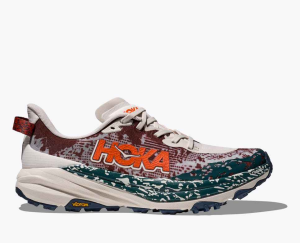
Hoka Speedgoat 6
A trimmer and tougher version of Hoka’s flagship. The new woven mesh upper balances breathability and durability, while a firmer CMEVA midsole sharpens toe‑off. Weighing around 300 g in men’s size 9 (≈10.6 oz), the Vibram Megagrip sole with 5 mm chevrons continues to deliver protective, confident roll. Early users note heel slip initially, solved with lace lock.
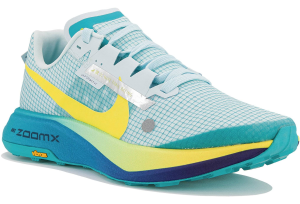
Nike Ultrafly
A next‑generation ZoomX/Carbon Flyplate racer transitioning into ACG territory. As of mid‑2025, the Ultrafly 2 remains a prototype with no confirmed specs—Nike has yet to officially release details including stack or outsole. Until launch data is verified, its mention should remain speculative.
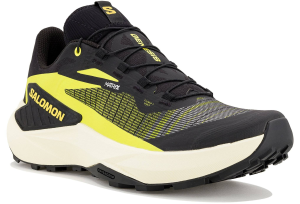
Salomon Genesis
Built as a trail all-rounder, the Genesis pairs Salomon’s MATRYX-reinforced upper with an Energy Foam midsole. At around 278 g and 8 mm drop with 4.5 mm Contagrip lugs, it corners sharply and wears steadily over long distances. Users praise its precise feel despite outsole abrasion showing early in harsh granite settings.
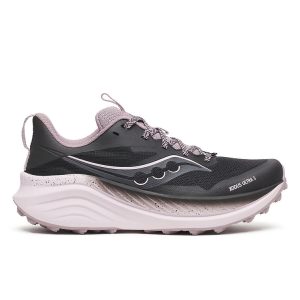
Saucony Xodus Ultra 3
Max‑cushion geometry deepens: 36 mm heel, 30 mm forefoot (~288 g) with stable PWRRUN PB core. Traction comes via a 4 mm PWRTRAC outsole, ideal for wet stone. While v3 adds ~36 g over v2 and shifts ride toward plush stability, it remains better suited for volume days than tempo hill repeats.
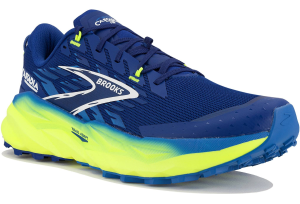
Brooks Cascadia 19
Just released in mid‑2025, Cascadia 19 finally replaces the long-running v18. It debuts Brooks’ nitrogen-infused DNA Loft v3 foam (adding +2 mm heel, +4 mm forefoot cushion), and lowers the drop to 6 mm (from 8 mm) while shedding weight to ~303 g. The TrailAdapt chassis remains, and fit feels true-to-size with better upper breathability. Stability remains the hallmark—especially in muddy Alpage or root-heavy singletrack.
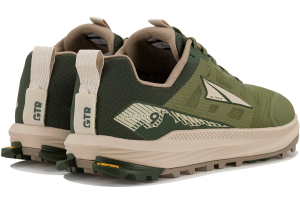
Altra Lone Peak 9
Zero-drop purists get a beefier shell this season. At ~309 g, the upgraded Vibram outsole with 3.8 mm directional lugs significantly improves braking and climbing traction. The wider Ego midsole enhances midfoot support, while the familiar foot-shaped toe box remains unchanged. Still not ideal for sweat‑intensive climbs due to limited airflow.
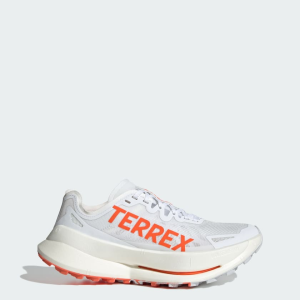
Adidas Terrex Agravic Speed Ultra
Adidas pushes race-tuned trail tech with a plant-forward, carbon-infused EnergyRods system riding on Lightstrike Pro foam. At just ~230 g, the Continental rubber outsole delivers aggressive traction—but narrower heels can feel unstable on off-camber ledges.
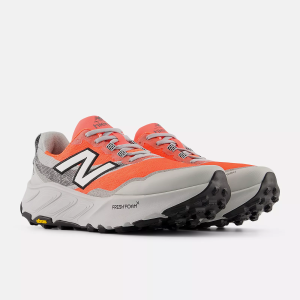
New Balance Fresh Foam X Hierro v9
An overhaul to Hierro’s DNA: heel stack rises to 42 mm, forefoot to 38 mm (4 mm drop) while staying under 300 g. Vibram Megagrip chevrons dig into granite, and a wide flatter platform encourages distance comfort. Built for 100‑mile missions rather than tempo surges.
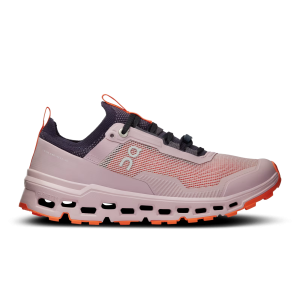
On Cloudultra 3 (Correction)
Replacing Cloudultra 2, the Cloudultra 3 launches on July 3, 2025. With its Helion HF foam dual‑layer midsole, Missiongrip™ outsole engineered via FEA, and engineered Leno weave upper, it weighs ≈ 295 g and stacks 32 mm heel / 26.5 mm forefoot (6 mm drop). Compared to Pro, Cloudultra 3 feels firmer, lower to ground, and more stable—with a slightly wider toe box.
Asics Fuji Speed 3
A trail-throttled Magic Speed style offering: FlyteFoam Blast+ foam, a subtly bending carbon plate, and ~35 mm stack (≈244 g). ASICSGRIP outsole with 4 mm lugs clings to dusty switchbacks and can tolerate short pavement connectors. Upper remains breathable yet secure, though torsional stiffness may limit boulder scrambles.
Wrapping it up
Across the spectrum, three trends dominate 2025:
Higher, lighter, faster. Even mainstream trainers like the Hierro and Cascadia are nudging 40 mm of foam without ballooning in weight.
Race tech for dirt. Carbon plates (Nike, Asics) and EnergyRods (Adidas) are no longer niche.
Terrain‑specific outsoles. Brands are fine‑tuning lug shapes—note Hoka’s deeper chevrons, Saucony’s broader PWRTRAC base and Salomon’s hybrid Contagrip formula—to match everything from alpine scree to dusty Sonoran hardpack.
Pick your poison: the plush stability of the Speedgoat for 100‑mile mountain epics, the super‑shoe zing of Ultrafly 2 for PR‑hunting on fire roads, or the firm ground feel of Cloudultra 2 for technical ridge scrambles. Whatever you choose, the 2025 fleet proves one thing—trail shoes have never been more specialised, or more fun. Happy running.